WP5 activities in La Rance tidal power station

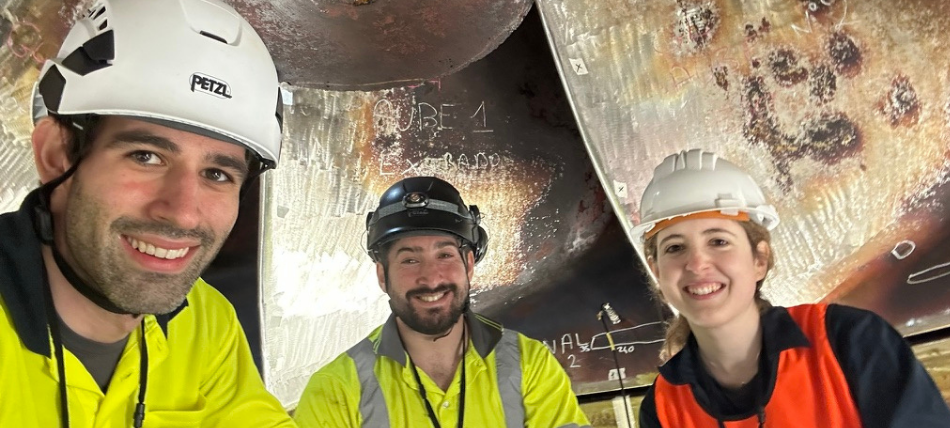
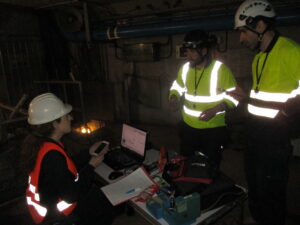
The La Rance power station in Brittany, France, one of STOR-HY’s demonstrators, is a large-scale tidal power station with a low tidal head, with 4-6 starts/stops per day. As part of WP 5, “Improved equipment for harsh operating fluids and saltwater environments”, partners EDF, Andritz, and GE Vernova are carrying out activities on this demonstrator with the aim of adapting tools to reduce maintenance costs in seawater environments (T5.2) and developing advanced sensing technologies to monitor water quality and the sedimentation of water particles (T5.4). The knowledge and techniques acquired, which are being compiled by Sener, the WP leader, will be then used in future saltwater pumped storage plant (PSP) schemes.

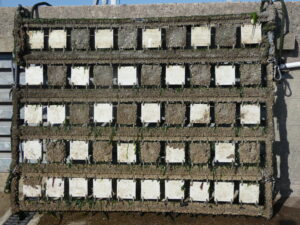
To limit biofouling and enable easy surface cleaning, the coupling of non-biocidal paints and soft cleaning systems are being tested at La Rance. Last year, colonisation coupon racks were installed at the station to analyse the impact of three different kinds of coatings: Bioclean (Chugoku), Hempasil 3X+ (Hempel) and Sigmaglide (PPG). These have all shown positive results, with some differences in the effect on wall colonisation, which consists mainly of barnacles, mussels and algae.

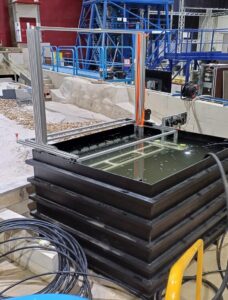
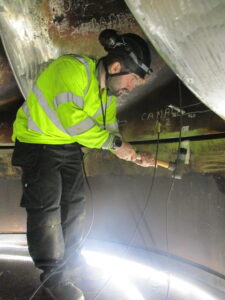
In addition, a cleaning system (Optostone) has been designed and constructed, and the first underwater trial of the system was performed last September. Such systems are employed to reduce the increased operational cost of operating hydropower in saltwater environments.

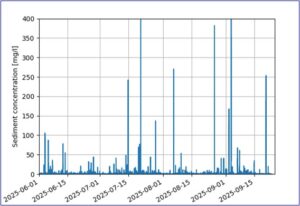
As part of task 5.4, the ultrasonic sediment sensor NivuParQ 850 by NIVUS was adapted for saltwater conditions. The sensor, which measures sediment concentration, was successfully installed in La Rance last May for testing. Since then, it has been remotely providing data that is being collected and analysed. First results indicate that sediment dynamics are influenced by the operation of the power plant. The sensor is also capable to distinguish five different classes of particle sizes.

STOR-HY marks one year of innovation and collaboration at ots third consortium meeting in Sion

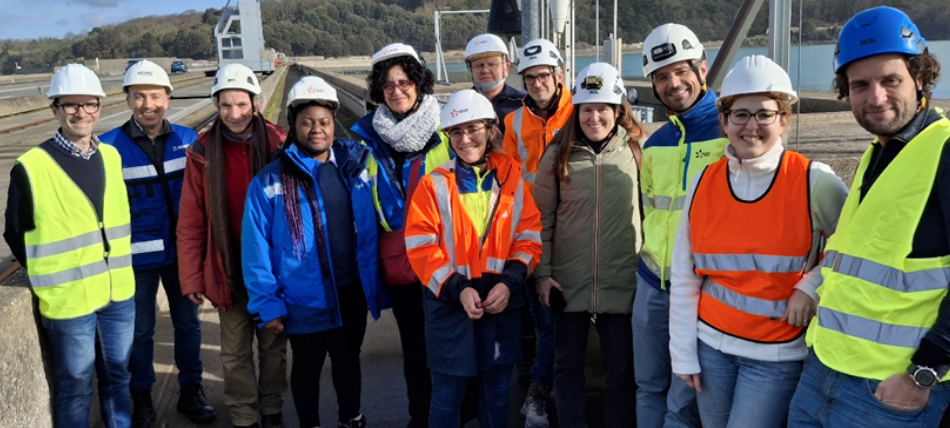
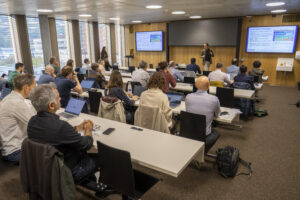
From 1 to 3 October, the STOR-HY partners gathered in Sion, Switzerland, for the project’s third consortium meeting, which was hosted by the HES-SO Valais-Wallis School of Engineering. The meeting coincided with the project’s first anniversary, marking a year of progress and close collaboration.

Work package updates

Each Work Package (WP) leader presented an update on their work since the previous consortium meeting in May. The UPC, leader of WP1, provided an overview of the project’s status, including the visits to the EDF demonstrators and the testing plans for the EDP demonstrators (Alqueva and Vilarinho). The following work was performed on the EDF demonstrators:

  • Modal analysis at Vouglans/Saut-Mortier by the UPC
  • Installation of the turbidity sensor at Le Cheylas by Andritz
  • Installation of the monitoring system at Le Cheylas by the UPC
  • Installation of turbidity and sediment sensors at La Rance by Andritz and EDF

The project coordinator, Alexandre Presas, also introduced the Gender Assessment Team, which monitors the implementation of the Gender Action Plan and held its first meeting in September. A gender balance survey was sent to all partners to collect data on the gender identity of project participants, which will be used to establish KPIs.

For WP2, INESCTEC, UT, and NORCE presented the techno-economic-regulatory, environmental, and societal dimensions that had been discussed during the “Identification of New Hydropower Requirements in a Context of Climate Change and RES-powered System” workshop in July.
Updates for WP3 included an overview of the Cyber-physical clone for Advance Decision Support (CADS), the installation of the aforementioned sensors and monitoring systems in the EDF demonstrators. Andritz explained that there were some issues with the sediment measurements, because the values were very low. PSP equipment at the Vouglans-Saut-Mortier-Coiselet (VSMC), Le Cheylas, and Alqueva demonstrators has been modelled.

In the WP4 presentation, partners presented their progress on back-to-back starting to achieve grid synchronisation and energy management of hydropower hybridised with battery energy storage systems and photovoltaics in Alqueva. The WP5 partners explained how they are enhancing the durability of PSP equipment in harsh operating conditions and saltwater environments, including biofouling, technical coatings, and sediment measurement.

As part of WP6, FAEN, HUNOSA, and SADIM provided updates on the location, size, and cost analysis of the Pozu Figaredo demonstrator, while EDP NEW presented the Demo Management Board. Other partners provided updates on the rest of the demonstrators.

UT presented the results of the Life Cycle Assessment (LCA) at La Rance, while NORCE gave a presentation on tracking social acceptance of hydropower through media discourse (WP7). vgbe presented the exploitation master plan methodology for market uptake and post-project exploitation (WP8), while Zabala highlighted the project’s communication and dissemination activities, including event attendance and social media statistics.

Visit to HES-SO labs

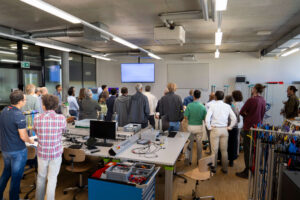
The consortium had the opportunity to attend a demonstration on inertia-less microgrids at the HES-SO Gridlab and visited the Hydro Alps Lab, which focuses on projects in the field of monitoring and improving alpine high-pressure and run-of-river power plants, including condition monitoring, digital clones, and digitalisation.
Public seminar

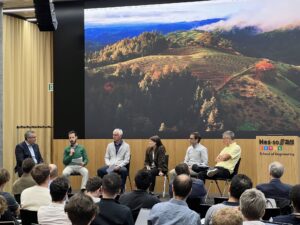
STOR-HY organised a public seminar entitled “Harnessing Hydropower’s Energy Storage and Flexibility for the Energy Transition”, featuring both internal and external speakers. Fabrizio Sossan, who hosted this consortium meeting, introduced the role of energy storage in future power systems. Two representatives of Swiss energy companies were among the speakers. Bernard Valluy from Alpiq discussed the role of hydropower innovation in the European electrical system, and Daniel Fischlin gave a presentation on the transformation of energy companies from energy producers to grid stabilisers.
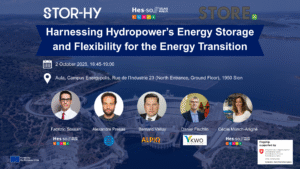
Alexandre Presas presented the STOR-HY project, and Cécile Münch-Alligné from HES-SO explained how numerical simulations are shaping the future of hydropower, including the challenges of hydraulic short circuits and sediment erosion.

The event concluded with an industrial roundtable with representatives of the project partners: António Aires de Matos (EDP), Jérôme Auguste (EDF), Magdalena Neuhauser (ANDRITZ), Patrick Boissonneau (GE Vernova), and Ricard Subirà (Sener).

First project article published

The first scientific article from the STOR-HY project has been published by project coordinator Alexandre Presas and his PhD student Xia Xiang from the Centre for Industrial Diagnosis and Fluid Dynamics at the Polytechnic University of Catalonia. Titled Resonance observation of pump-turbine runners from the stationary frame: analytical-numerical model for the natural mode splitting of submerged rotating disc-blades-disc structures”, it was published in Mechanical Systems and Signal Processing, one of the leading journals in the field of mechanical engineering.

Addressing a Long-Standing Challenge

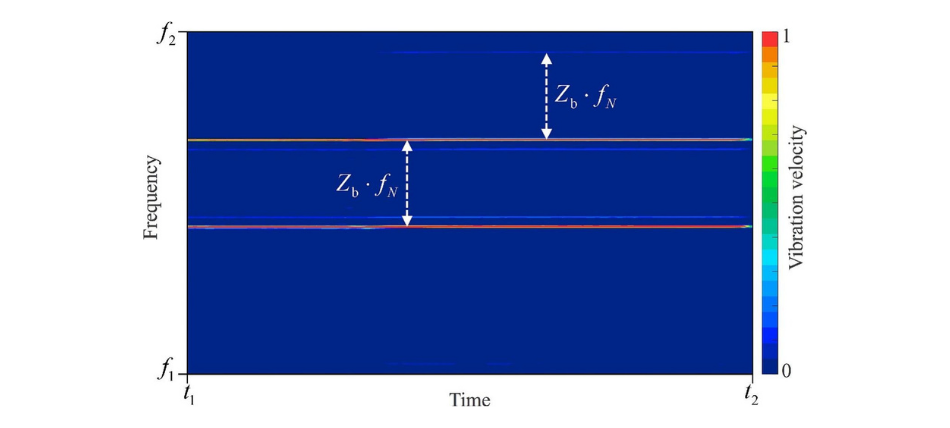
The article explores what happens when a pump-turbine enters a resonant state. Although this condition can pose serious risks to equipment and grid stability, it often goes undetected. This is due to the highly damped environment of submerged structures masking the resonance and to the complex manner in which vibrational energy splits into multiple sidebands. These modulation patterns are particularly challenging to analyse and monitor using conventional techniques.

This phenomenon has been observed in real hydropower plants, including the Grimsel pumped storage plant. However, until now, there has been no comprehensive analytical explanation for it. This publication addresses this by combining theoretical insight with advanced numerical simulations based on a coupled CFD–FEM model. In doing so, it sheds light on a subject that has challenged the hydropower community for decades.

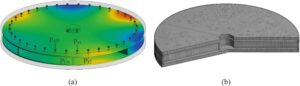
Schematic diagram of the CFD model. (a) three-dimensional model of the fluid domain for unsteady calculations; (b) reference scheme for computational grid.

From Academic Insight to Practical Application

The paper addresses a question that Presas has wanted to explore since completing his own PhD: the impact of runner rotation on modal splitting in pump-turbine components. The study draws on previously unpublished data from prototype testing and blade-disk experiments to validate the theory.

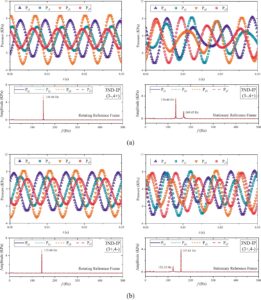
Pressure pulsations at rotating and stationary measurement points. (a) Travelling wave mode formed by the components 3- and 4+ excited; (b) Travelling wave mode formed by the components 3+ and 4- excited.

By shedding light on how these complex modulation patterns develop, the findings have direct implications for the safety, reliability, and predictive maintenance of pumped storage systems. In particular, the research helps to define new strategies for condition monitoring, which is of central importance to STOR-HY’s objectives.

Integration into the STOR-HY Monitoring Platform

The insights from this research will be incorporated into the Cyber-physical platform for Advanced Decision Support (CADS) developed as part of the STOR-HY project. The CADS aims to provide real-time monitoring and predictive diagnostics for critical components in pumped storage hydropower plants. The resonance models presented in this paper will improve the early detection of fatigue, structural instability and failure risk in critical machinery.

A Step Forward for Smarter Hydropower

As Europe modernises its hydropower fleet to meet the challenges of the energy transition and climate resilience, a better understanding of dynamic machine behaviour is essential. With over 40% of global hydropower assets being more than four decades old, the need for advanced monitoring and lifetime prediction tools is growing.

STOR-HY’s research plays a vital role in this endeavour by contributing to the development of digital solutions that will ensure the continued viability of hydropower. This article exemplifies the project’s commitment to combining scientific knowledge with applied innovation to ensure that the next generation of hydropower plants is safer, more efficient, and more resilient.

Workshop: Identification of New Hydropower Requirements in a Context of Climate Change and RES-powered System

On 29 July 2025, STOR-HY held its first workshop, titled “Identification of New Hydropower Requirements in a Context of Climate Change and RES-Powered Systems”. This online event brought together experts from across Europe to discuss how hydropower, particularly PSH, can evolve to meet the demands of a clean, renewable energy-driven future.

The workshop presented the development of the STOR-HY matrix, a multidimensional tool based on the XFLEX HYDRO framework. The matrix has three dimensions:

  • Techno-Economic-Regulatory (TER) dimension: Fernando Ribeiro and Sofia Varotto from INESC TEC discussed how this dimension explores the capability of demonstrators to provide flexibility and grid services within the current European regulatory and market framework for ancillary services.
  • Environmental and economic dimension: So Pyay from the University of Twente covered the environmental and long-term economic impact of PSH plants throughout their entire lifetime, including commissioning, operation, and decommissioning.
  • Societal acceptance: Jason Deegan from the Norwegian Research Centre (NORCE) presented on how this dimension evaluates the level of local community and stakeholder approval or opposition towards the plants and proposed technological solutions.

As grids become more complex and reliant on intermittent renewable energy sources, long-duration storage and flexible assets like PSH will be essential. The STOR-HY project is working to ensure that these technologies are ready to meet tomorrow’s demands—technically robust, environmentally responsible, and socially accepted.

This workshop forms part of STOR-HY’s mission to ensure that pumped storage hydropower remains at the heart of a resilient, sustainable, and flexible European energy system.

Did you miss the event? Watch the full recording on YouTube.

We would like to thank all the speakers and attendees who contributed to this engaging session, and we look forward to continued collaboration in shaping the next generation of pumped storage hydropower, ensuring that it aligns with Europe’s climate goals, regulatory frameworks, environmental stewardship, and societal expectations.

2025 World Hydropower Outlook

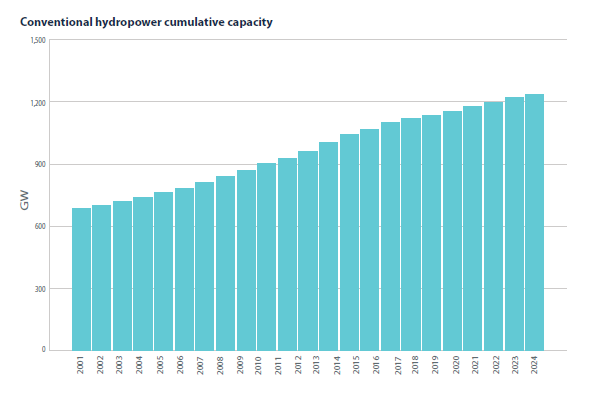
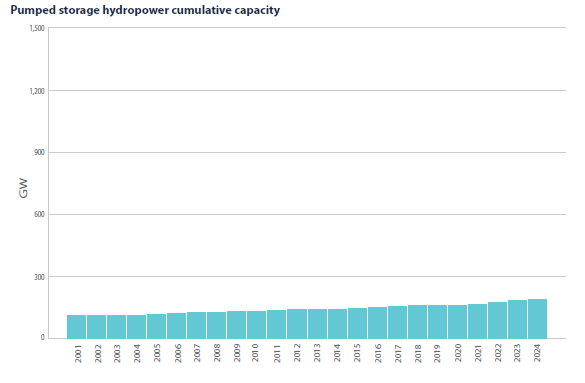
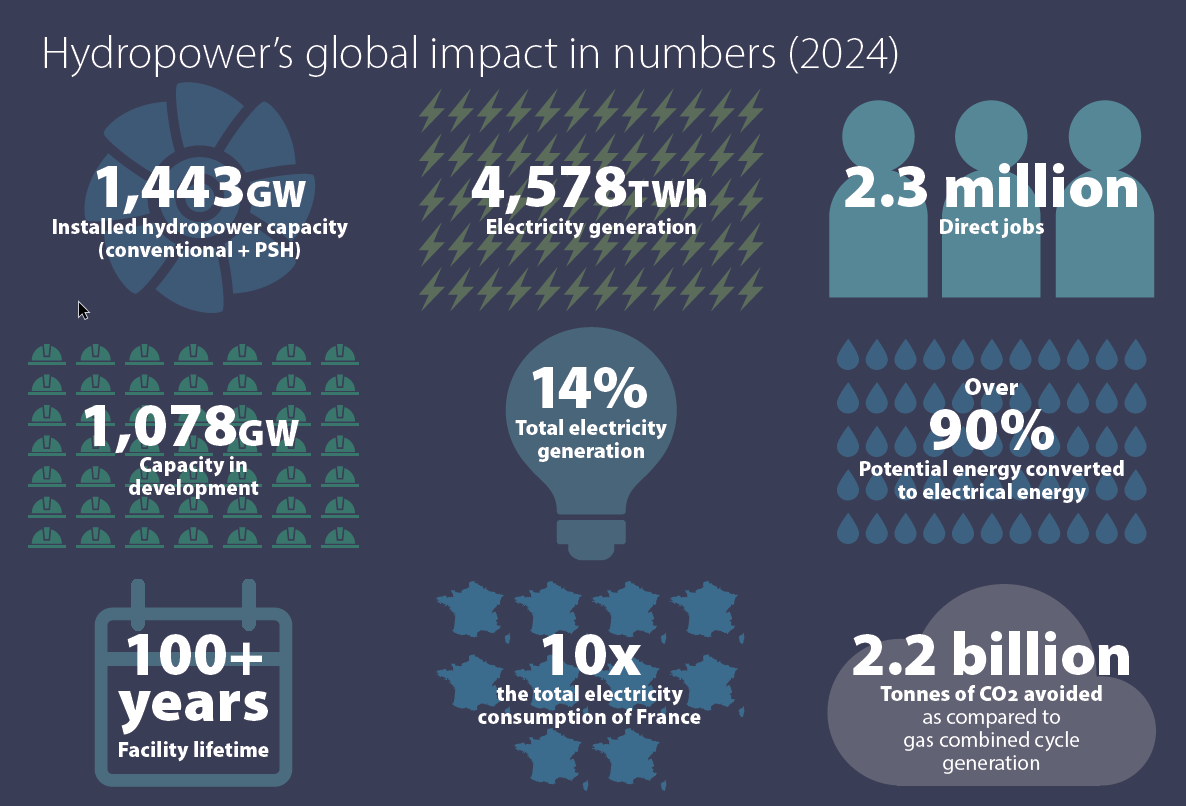
Last week, the International Hydropower Association (IHA) published the 2025 World Hydropower Outlook, which monitors the global development of hydropower. As the world accelerates its transition towards net zero, the importance of hydropower as a clean, flexible and reliable source of electricity is becoming increasingly recognised. Global hydropower generation increased by 10% in 2024, reaching 4,578 TWh. This included the addition of 16.2 GW of conventional hydropower and 8.4 GW of pumped storage hydropower (PSH), bringing the total global PSH capacity up to 189 GW, an increase of 5% from the previous year.

Source: International Hydropower Association (IHA). (2025). 2025 World Hydropower Outlook. https://www.hydropower.org/publications/2025-world-hydropower-outlook, p. 11
Source: IHA. (2025). 2025 World Hydropower Outlook, p. 11

A Surge in European Hydropower Momentum

The report reveals not only a global resurgence in hydropower development but also a particularly significant shift within Europe. 2024 was a landmark year for renewable energy sources, with frequent monthly peaks where hydropower, solar, and wind were the primary contributors to the EU power system. Due to exceptional precipitation, hydropower generation in Europe reached a decade high of 680 TWh, 13% higher than average production between 2014 and 2017. This peak performance highlights the importance of hydropower in the energy mix, as it provides the flexibility, reliability, and resilience required to support variable sources such as solar and wind.

Source: IHA. (2025). 2025 World Hydropower Outlook, p. 16

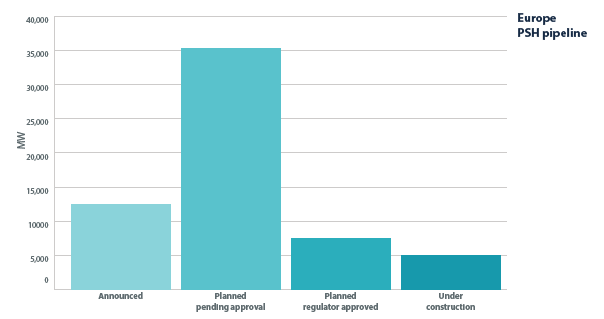
PSH, the most proven technology for storing electricity at scale, is emerging as a major growth area. A total of 187 MW of PSH capacity was added in 2024. With 52.9 GW in the pipeline, including 3 GW under construction and 6.7 GW already approved, PSH is becoming increasingly attractive amid market volatility and system stress. Europe is capitalising on this momentum with over 60 GW of PSH projects in development, including STOR-HY.

Source: IHA. (2025). 2025 World Hydropower Outlook, p. 59

The countries in which the STOR-HY demonstrators are located are making promising advances. Portugal is the EU Member State that added more hydropower capacity (160 MW) in 2024, while Spain (22,747 MW) and France (20,385 MW) are among the top 10 European countries by total installed hydropower capacity, in the third and fifth position respectively.

Source: IHA. 2025 World Hydropower Outlook, p. 63

Flexibility in the Age of Volatility

Europe’s electricity market is undergoing profound changes. The increasing frequency of negative electricity pricing–over 1,000 hours in the first eight months of 2024 alone–reflects a system that is oversupplied during off-peak renewable surges. PSH offers a critical solution by absorbing excess electricity and releasing it during periods of high demand, while also providing essential ancillary services such as frequency control and inertia.

However, the market alone cannot sustain the required pace of hydropower development. The Outlook emphasises the need for policy reform, long-term investment signals and streamlined regulation to ensure that storage projects are both viable and timely. Thanks to integrated power markets and strong policy frameworks such as the Green Deal and REPowerEU, Europe is well positioned to lead this reform.

Climate Resilience: An Increasing Priority

Europe is already experiencing the effects of climate change. Southern European countries, including Italy, Spain, and Türkiye, are expected to see a decline in hydropower generation of up to 40% by the end of the century due to changing rainfall patterns and increased evaporation. This underlines the importance of not only increasing hydropower capacity, but also of developing smarter, climate-adaptive hydropower systems.

The modernisation and digitalisation of existing plants, including the implementation of real-time monitoring and advanced turbine technologies, are essential for realising this potential. As the report highlights, almost 40% of the global hydropower fleet is over 40 years old, so upgrades are essential to maintain performance and meet new demands for flexibility.

Hydropower’s Role in a Sustainable European Future

Hydropower remains Europe’s most proven and scalable form of long-duration energy storage. It is uniquely positioned to support the continent’s dual challenge of decarbonising energy systems and maintaining grid stability in the face of increasing renewable energy penetration and extreme weather events.

With the Global Energy Storage and Grids Pledge aiming for 1,500 GW of energy storage by 2030, hydropower, especially pumped storage, must play a central role. Europe’s leadership in this area is crucial in setting an example of how modern energy systems can align climate goals with resilience and affordability.

Modal analysis of pump-turbines at Vouglans/Saut-Mortier

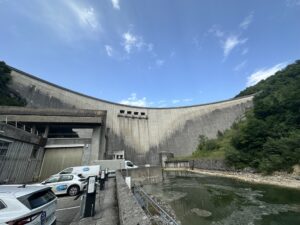
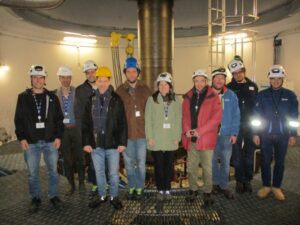
Last week, a team from the Universitat Politècnica de Catalunya (UPC) visited the impressive Vouglans/Saut-Mortier hydropower plant on the Ain River, in the Bourgogne-France-Comté region of France. The plant is owned by EDF, which contributes three demonstrators to the project and kindly hosted and supported the team during their visit.

The main objective of this initial field trip was to determine the natural vibration modes of the rotor experimentally, including those of the pump-turbine and the shaft. This is one of the initial steps in developing of the Advanced Monitoring System, which will be integrated into the Cyber-physical platform for Advanced Decision Support (CADS).

The results of this analysis will be used to:

  • develop new predictive maintenance algorithms based on real-time tracking of natural frequencies as health indicators for the entire unit and
  • calibrate and validate the cyber-mechanical models developed in the project.

Second consortium meeting

On May 14-15, the STOR-HY partners met online for the second Consortium Meeting and General Assembly.

Day 1: project updates and progress

The first day of the meeting began with an overview session and a presentation of the activities carried out within Work Package (WP) 1: Project Management, delivered by the coordinator, Universitat Politècnica de Catalunya (UPC).

Then, partners presented their advances in WP2: Requirements of Future Pumped Storage Plants; WP3: Modelling and CADS; WP4: Dispatching and Control of PSP; WP5: Saltwater and Harsh Environments; WP6: Demonstrator Activities and Updates; WP7: Sustainability; and WP8: Project Exploitation.

They also presented the demonstrator visits that had taken place in recent months, including those to Le Cheylas and Vouglans-Saut Mortier-Coiselet (VSMC) in January and La Rance in February. The three sites are owned by EDF.

Day 2: project updates and General Assembly

During the first part of the session on Day 2, Zabala Innovation presented their work within WP9: Dissemination and Communication Activities. Partners then discussed important topics relevant to the project and decided on the next steps during the General Assembly.

As the STOR-HY progresses, the first results are beginning to emerge. In line with our mission to reduce the capital and operational costs of innovative pumped storage projects, progress is being made by increasing the durability and recyclability of pumped storage plant components, while minimising costs and environmental impacts and increasing social acceptance. These early achievements reflect the dedication and collaboration of all partners, marking an important step forward towards reducing costs, extending capabilities, enabling predictive maintenance and providing digital tools, and increasing resilience in pumped storage hydropower.

StorHy Logo
Privacy Overview

This website uses cookies so that we can provide you with the best user experience possible. Cookie information is stored in your browser and performs functions such as recognising you when you return to our website and helping our team to understand which sections of the website you find most interesting and useful.