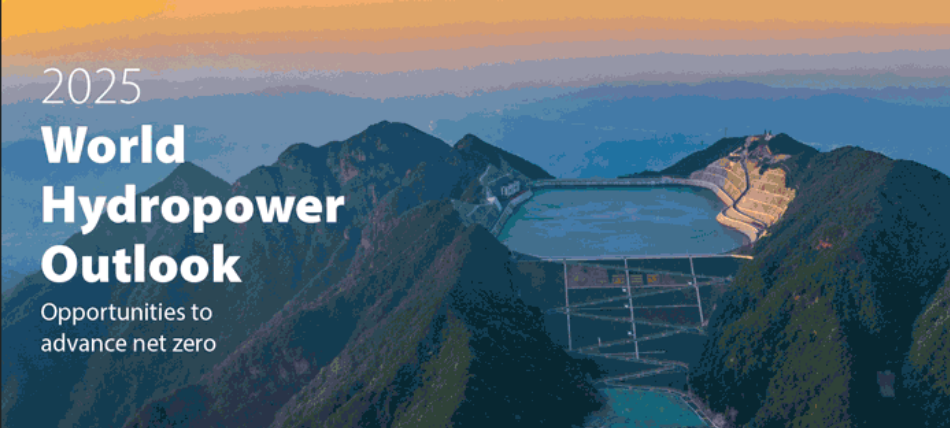
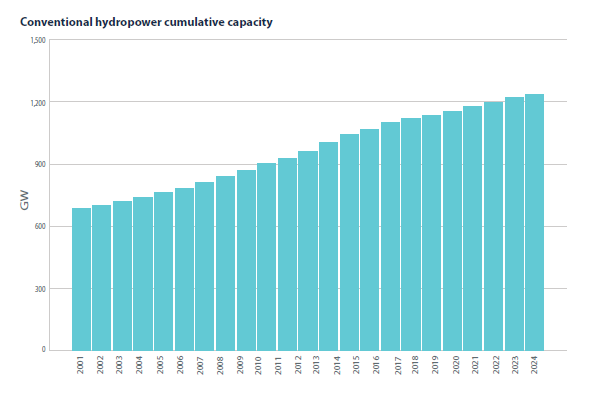
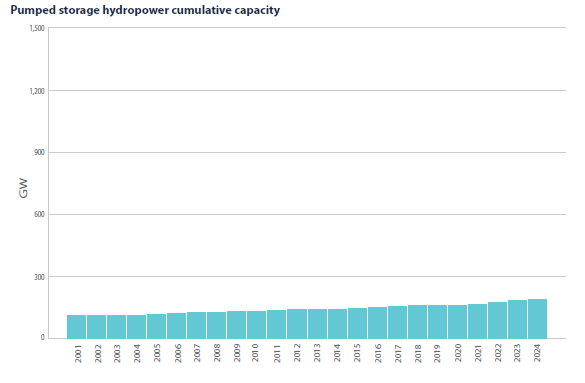
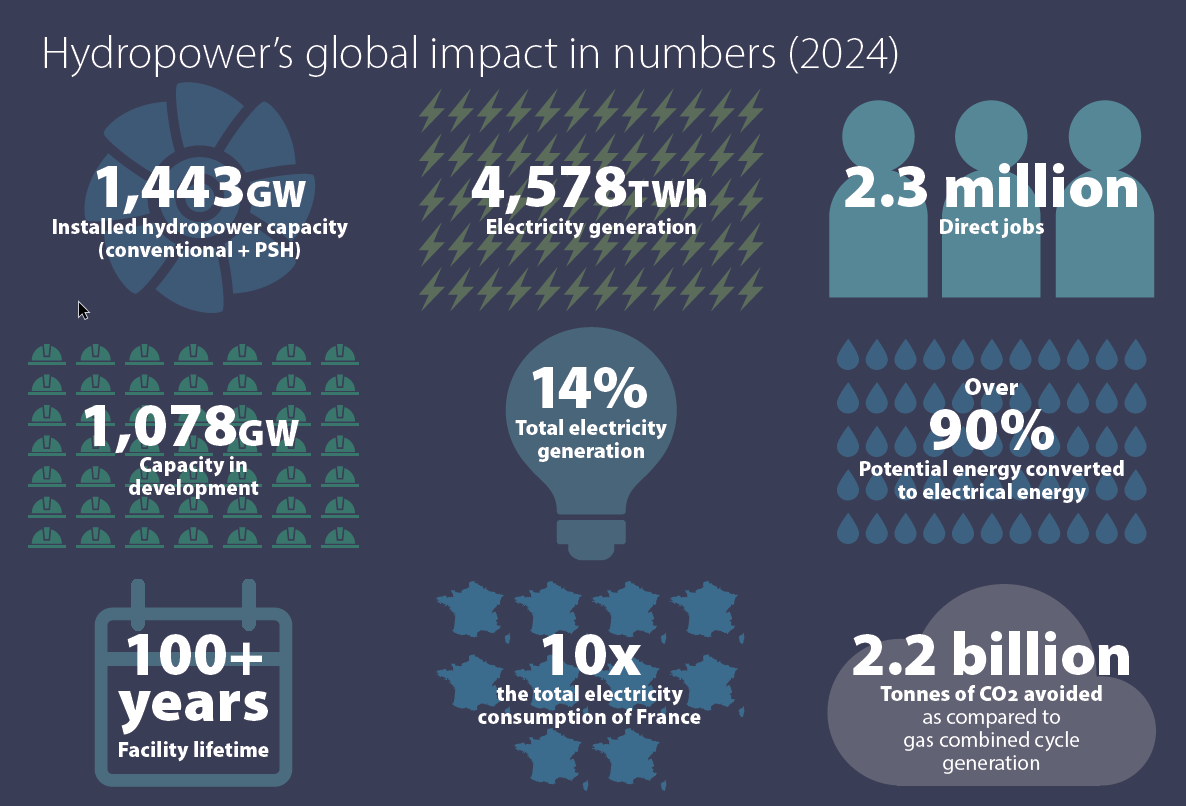
Last week, the International Hydropower Association (IHA) published the 2025 World Hydropower Outlook, which monitors the global development of hydropower. As the world accelerates its transition towards net zero, the importance of hydropower as a clean, flexible and reliable source of electricity is becoming increasingly recognised. Global hydropower generation increased by 10% in 2024, reaching 4,578 TWh. This included the addition of 16.2 GW of conventional hydropower and 8.4 GW of pumped storage hydropower (PSH), bringing the total global PSH capacity up to 189 GW, an increase of 5% from the previous year.
A Surge in European Hydropower Momentum
The report reveals not only a global resurgence in hydropower development but also a particularly significant shift within Europe. 2024 was a landmark year for renewable energy sources, with frequent monthly peaks where hydropower, solar, and wind were the primary contributors to the EU power system. Due to exceptional precipitation, hydropower generation in Europe reached a decade high of 680 TWh, 13% higher than average production between 2014 and 2017. This peak performance highlights the importance of hydropower in the energy mix, as it provides the flexibility, reliability, and resilience required to support variable sources such as solar and wind.
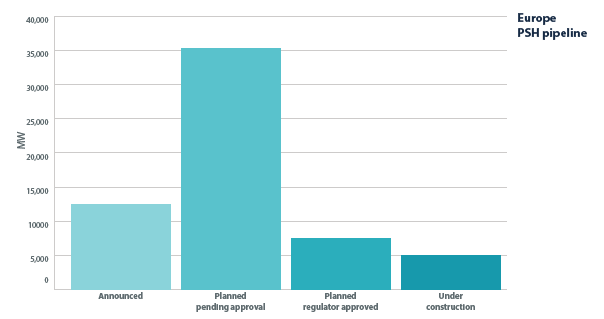
PSH, the most proven technology for storing electricity at scale, is emerging as a major growth area. A total of 187 MW of PSH capacity was added in 2024. With 52.9 GW in the pipeline, including 3 GW under construction and 6.7 GW already approved, PSH is becoming increasingly attractive amid market volatility and system stress. Europe is capitalising on this momentum with over 60 GW of PSH projects in development, including STOR-HY.
The countries in which the STOR-HY demonstrators are located are making promising advances. Portugal is the EU Member State that added more hydropower capacity (160 MW) in 2024, while Spain (22,747 MW) and France (20,385 MW) are among the top 10 European countries by total installed hydropower capacity, in the third and fifth position respectively.

Flexibility in the Age of Volatility
Europe’s electricity market is undergoing profound changes. The increasing frequency of negative electricity pricing–over 1,000 hours in the first eight months of 2024 alone–reflects a system that is oversupplied during off-peak renewable surges. PSH offers a critical solution by absorbing excess electricity and releasing it during periods of high demand, while also providing essential ancillary services such as frequency control and inertia.
However, the market alone cannot sustain the required pace of hydropower development. The Outlook emphasises the need for policy reform, long-term investment signals and streamlined regulation to ensure that storage projects are both viable and timely. Thanks to integrated power markets and strong policy frameworks such as the Green Deal and REPowerEU, Europe is well positioned to lead this reform.
Climate Resilience: An Increasing Priority
Europe is already experiencing the effects of climate change. Southern European countries, including Italy, Spain, and Türkiye, are expected to see a decline in hydropower generation of up to 40% by the end of the century due to changing rainfall patterns and increased evaporation. This underlines the importance of not only increasing hydropower capacity, but also of developing smarter, climate-adaptive hydropower systems.
The modernisation and digitalisation of existing plants, including the implementation of real-time monitoring and advanced turbine technologies, are essential for realising this potential. As the report highlights, almost 40% of the global hydropower fleet is over 40 years old, so upgrades are essential to maintain performance and meet new demands for flexibility.
Hydropower’s Role in a Sustainable European Future
Hydropower remains Europe’s most proven and scalable form of long-duration energy storage. It is uniquely positioned to support the continent’s dual challenge of decarbonising energy systems and maintaining grid stability in the face of increasing renewable energy penetration and extreme weather events.
With the Global Energy Storage and Grids Pledge aiming for 1,500 GW of energy storage by 2030, hydropower, especially pumped storage, must play a central role. Europe’s leadership in this area is crucial in setting an example of how modern energy systems can align climate goals with resilience and affordability.