STOR-HY in our words: vgbe

vgbe’s perspective within STOR-HY

vgbe energy e.V. (vgbe) is a technical association of energy plant operators. Our members are companies worldwide that operate power, heat and cooling, energy storage, and sector-coupling plants. Currently, vgbe energy has 411 members, comprising operators, manufacturers, and institutions connected with energy engineering. The members come from 29 countries and represent an installed power generation capacity of 292,000 MW. vgbe serves as a collective platform for the hydropower community, committing to the goal of developing the economy and society in a climate-neutral and sustainable way. Hence, it contributes to demonstrating and actively shaping the technical options required for environmentally-friendly, safe, and economical energy supply.

In its mission as an independent technical competence centre and network, vgbe supports its international members in their respective business activities and in the implementation of innovation solutions and strategic tasks. Cooperation with all partners along the energy value chain, especially with manufacturers and service providers, is an essential criterion of becoming the voice of plant operators. Moreover, vgbe actively and factually contributes to debate on technical issues, which makes it the international and central contact for all technical issues relating to the operation of energy plants.
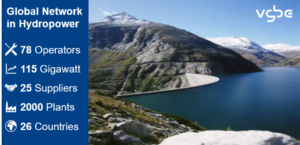
The Technical Competence Center Hydro Power, as part of vgbe, focuses on operation and maintenance from a techno-economic and ecological perspective, as well as on application-oriented research for the hydropower community. To achieve this, we pursue key activities such as sharing knowledge and experience, developing technical and operational standards in the form of best-practice guidelines, and coordinating or participating in national and international research projects. Current focal points include technical and cost benchmarking, guidelines for risk-based maintenance based on damage events, a catalogue of 100 use cases featuring implemented digital solutions and measures, and much more. Further information is available here.
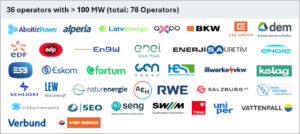
Using its strengths in cooperation and networking, vgbe specifically focuses on the exploitation and market uptake of project results within STOR-HY and contributes its European hydropower network to communication and dissemination activities.

Contribution to STOR-HY

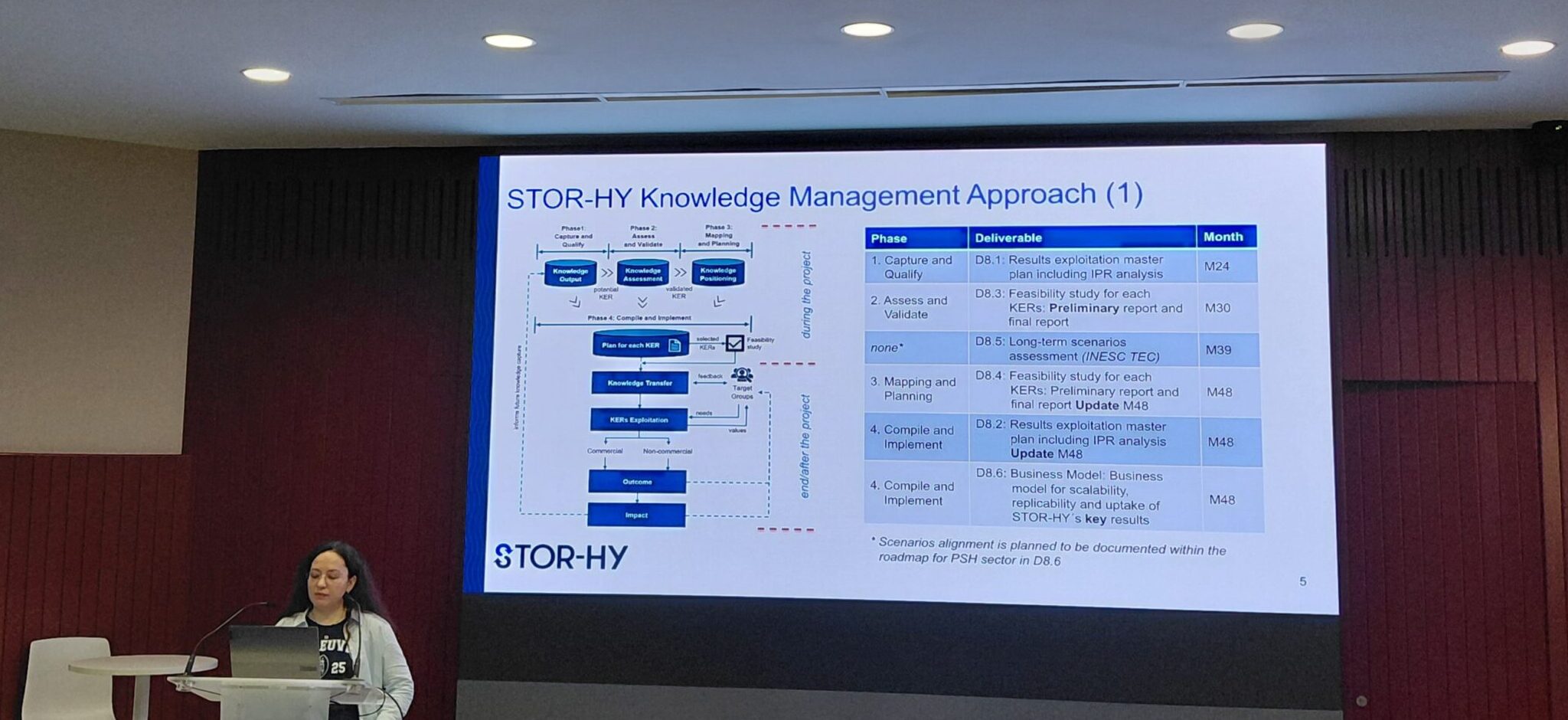
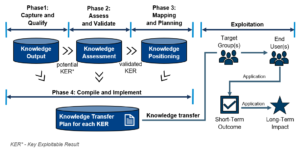
In the STOR-HY project, vgbe will develop the Exploitation Master Plan and coordinate the identification, validation, and strategic positioning of the project’s Key Exploitable Results. This includes assessing their market viability, scalability, feasibility, risks, and potential barriers, as well as supporting the development of business plans for feasible solutions. In addition, vgbe will lead the preparation of a sector-wide marketing strategy and a techno-regulatory roadmap to support industrial deployment and alignment with relevant EU policies.

Overall, vgbe’s contribution is to help bridge research outcomes and practical implementation by providing exploitation guidance, stakeholder insights, and recommendations for researchers, policymakers, and investors.
Moreover, vgbe leads the work on interaction with the International Advisory Board contributing to valuable insights and advice on the project’s strategic direction and key technical, business, and market matters.

Challenges and opportunities for hydropower in Europe

Although Europe’s hydropower fleet is mature and well-established, one major technical challenge for hydropower in Europe is that many existing plants are ageing and need modernisation. Older turbines, generators, transformers and control systems often require refurbishment or replacement to remain efficient and reliable. By modernising these components, hydropower plants can improve their performance and safety.

Another important challenge is the need for more flexible operation because Europe is using more wind and solar power. Hydropower plants increasingly have to start and stop more often, ramp up and down faster, and operate at part load. This increases mechanical stress and the risk of hydraulic issues such as pressure fluctuations and water hammer.

At the same time, digitalisation is becoming more important for the hydropower sector. Operators need better inflow forecasts, predictive maintenance systems, digital twins and cyber-secure control systems to manage plants more effectively. Overall, European hydropower must become more modern, flexible, and data-driven while still maintaining high reliability and safety.

Conclusion

Large scale research projects like STOR-HY bring forward the hydropower ecosystem, where an interdisciplinary, cross-border expertise is needed to holistically reach a balance between electricity generation and grid services, and following it impacts on ecosystems and society. vgbe’s active involvement in the STOR-HY project makes an important contribution to the exploitation and market uptake of innovative hydropower solutions. Through its European hydropower network, vgbe also supports effective communication and dissemination, thereby helping to transfer project results into practical applications. This is exactly where vgbe sees its competence in sustaining the project results while maintaining the objectives of renewable energy and related to it standards and policies.
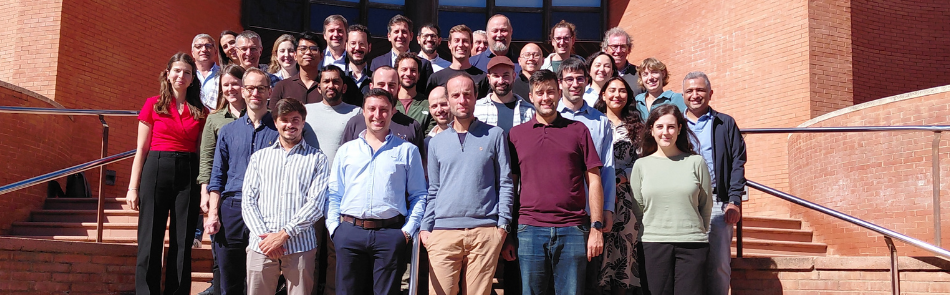
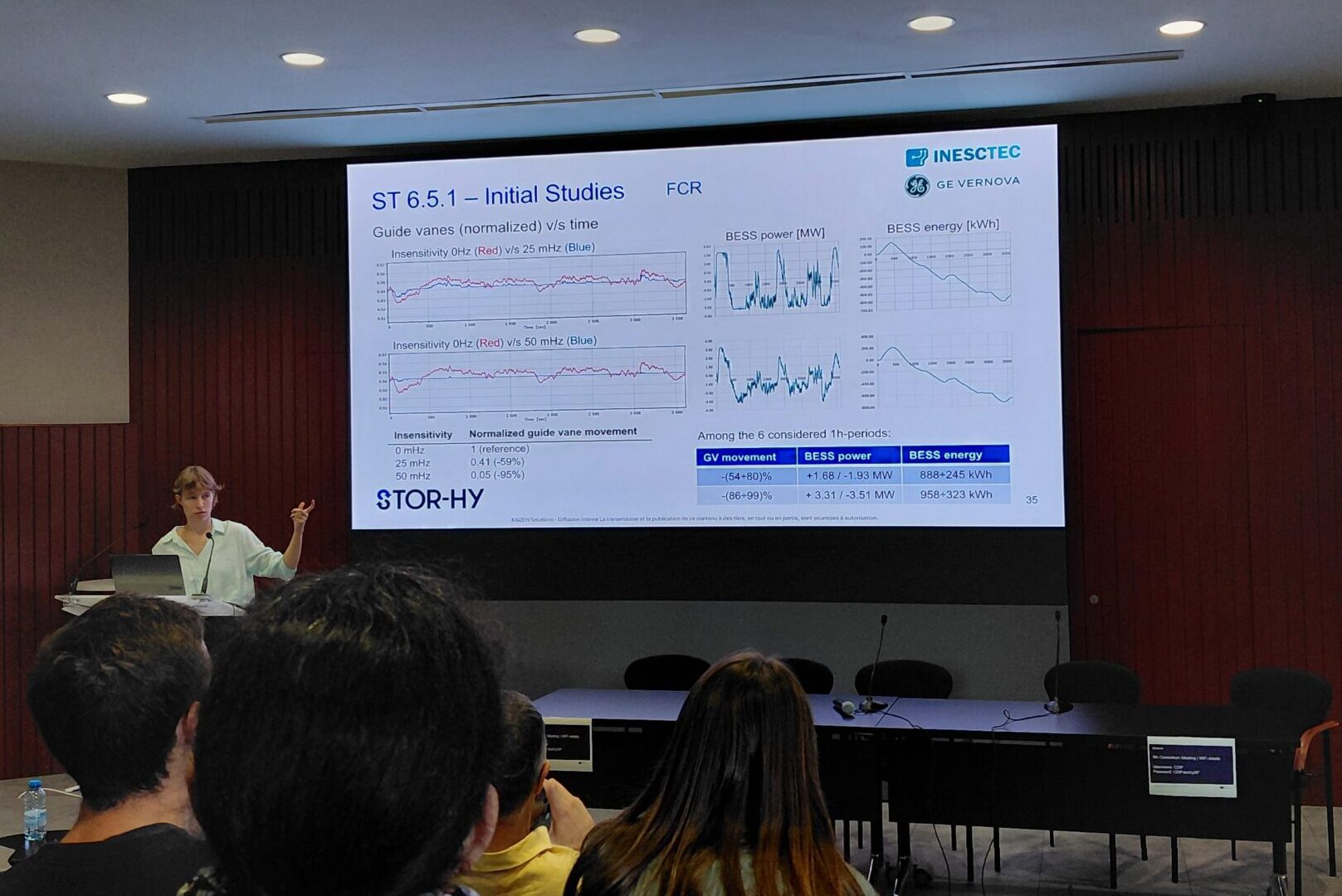
STOR-HY holds its fifth consortium meeting in Barcelona and brings together hydropower experts for an open colloquium

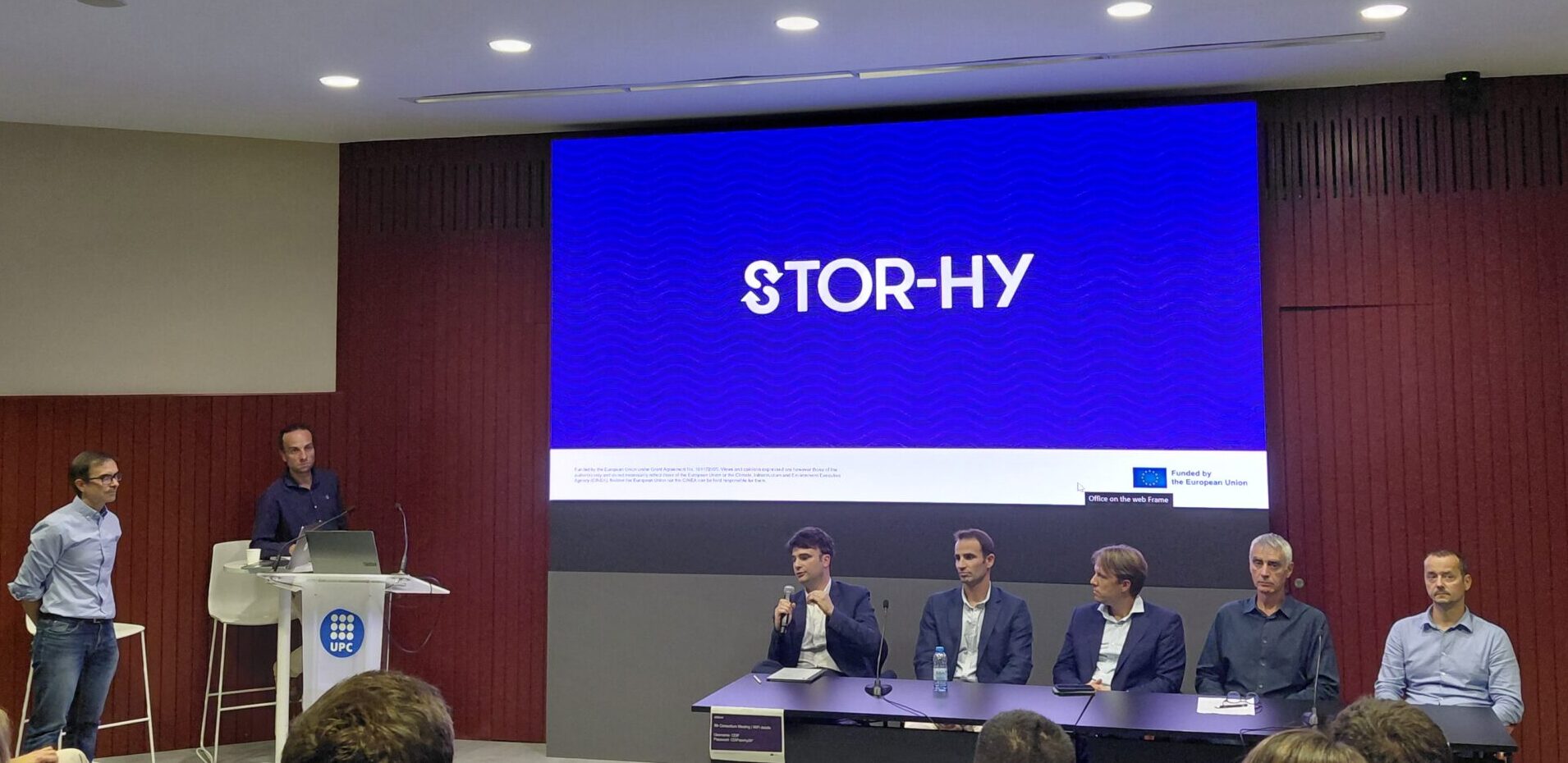
On 8–9 October 2026, STOR-HY partners gathered at the Universitat Politècnica de Catalunya (UPC) in Barcelona for the project’s fifth consortium meeting. The two-day event provided an opportunity to review technical progress, coordinate upcoming activities and welcome the consortium’s newest partner, RheEnergise. The meeting also featured a colloquium on the technical, environmental and societal challenges facing pumped storage hydropower in the 21st century.

Reviewing project progress

Hosted by the Centre for Industrial Diagnostics and Fluid Dynamics (CDIF-UPC), the meeting began with a welcome address by Professor Dr. Pedro Díez, Vice-Rector for Research of the UPC, followed by an overview of project management activities and contributions from the International Advisory Board.

The first technical session focused on the requirements of future pumped storage plants (WP2), examining the evolving needs of hydropower systems in the context of increasing renewable energy integration and demand for operational flexibility.

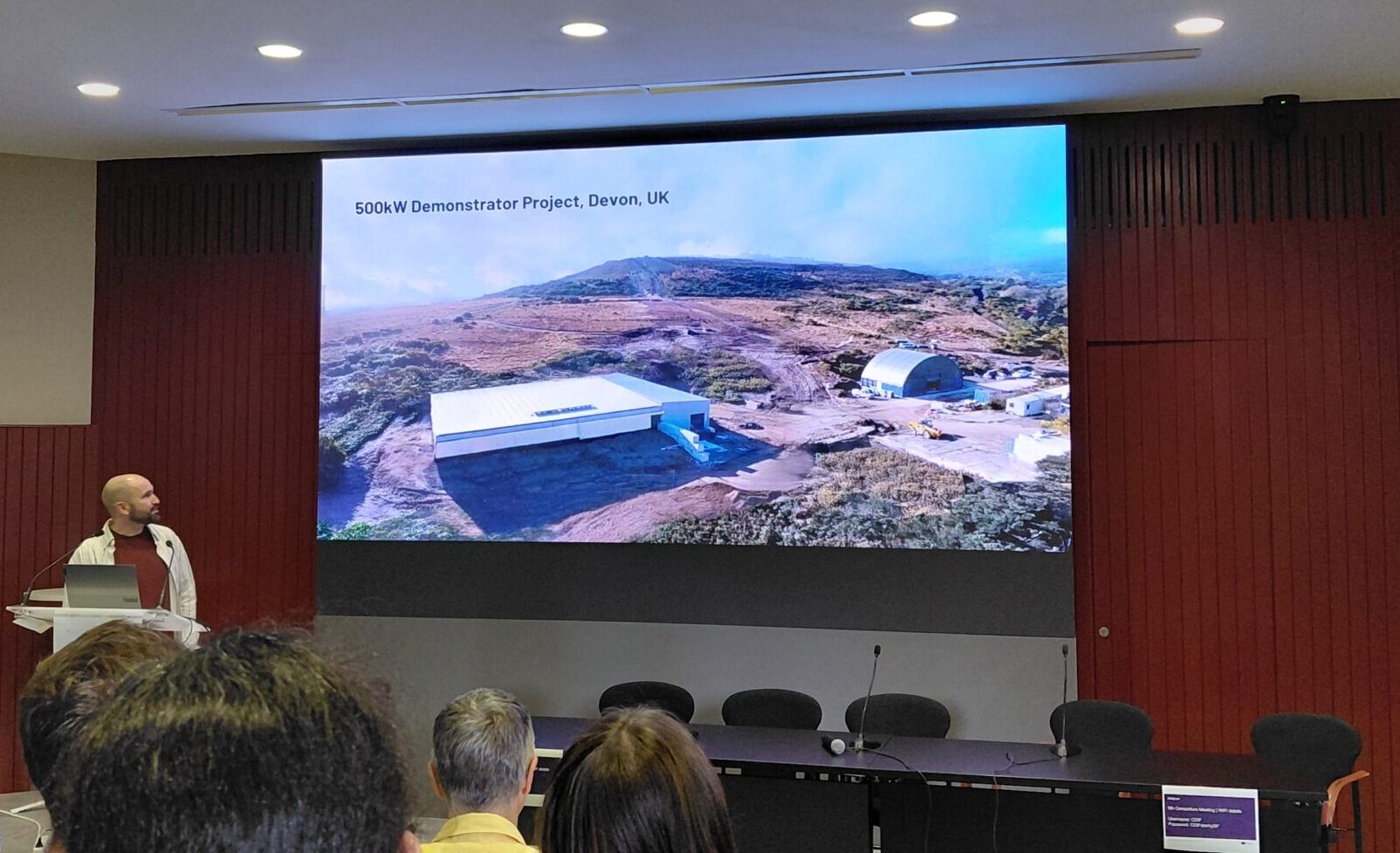
Partners then reviewed progress across STOR-HY’s demonstrators (WP6), discussing ongoing testing activities, technical developments and upcoming milestones. This session also marked the first participation of RheEnergise, the consortium’s newest partner, which introduced its innovative high-density fluid energy storage technology.

The afternoon continued with presentations covering three additional technical work packages:

  • Modelling and the Cyber-physical platform for Advanced Decision Support (CADS) (WP3): Progress on modelling approaches and digital tools to support improved monitoring and operational decision-making in pumped storage plants.
  • Dispatching and control of pumped storage plants (WP4): Developments in operational and control strategies aimed at increasing plant flexibility and improving their response to changing electricity system requirements.
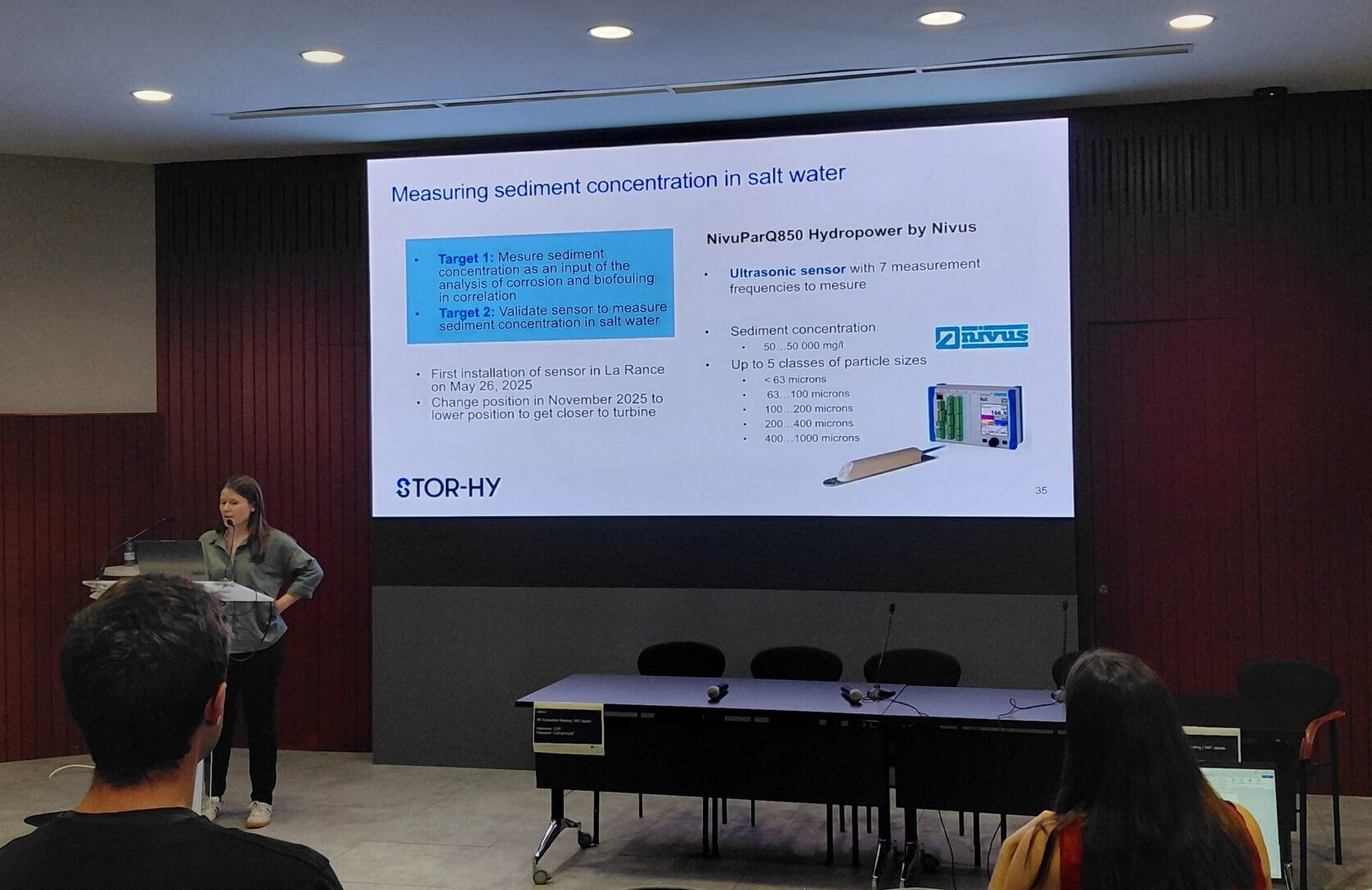
  • Saltwater and harsh environments (WP5): Research into technologies and solutions designed to improve the durability and reliability of pumped storage components operating under demanding environmental conditions.

Exploring the challenges of pumped storage hydropower in the 21st century

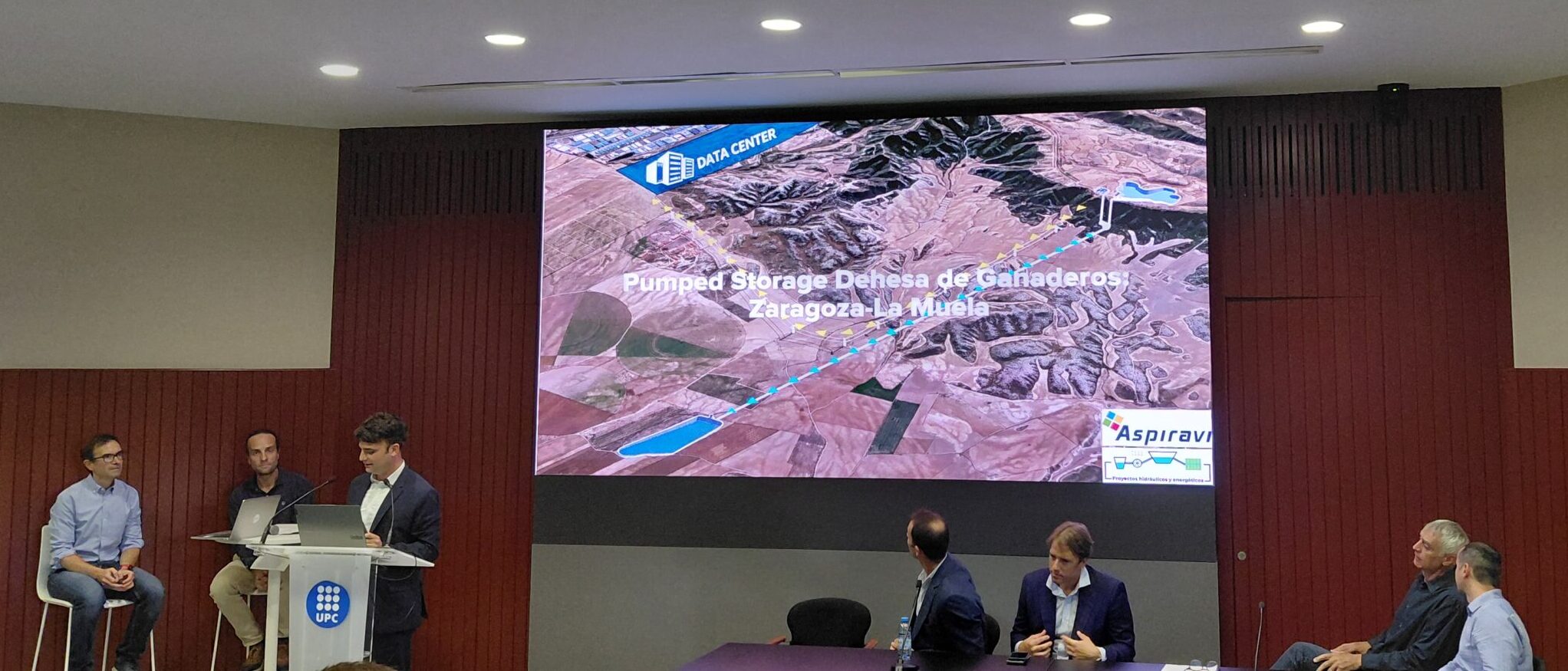
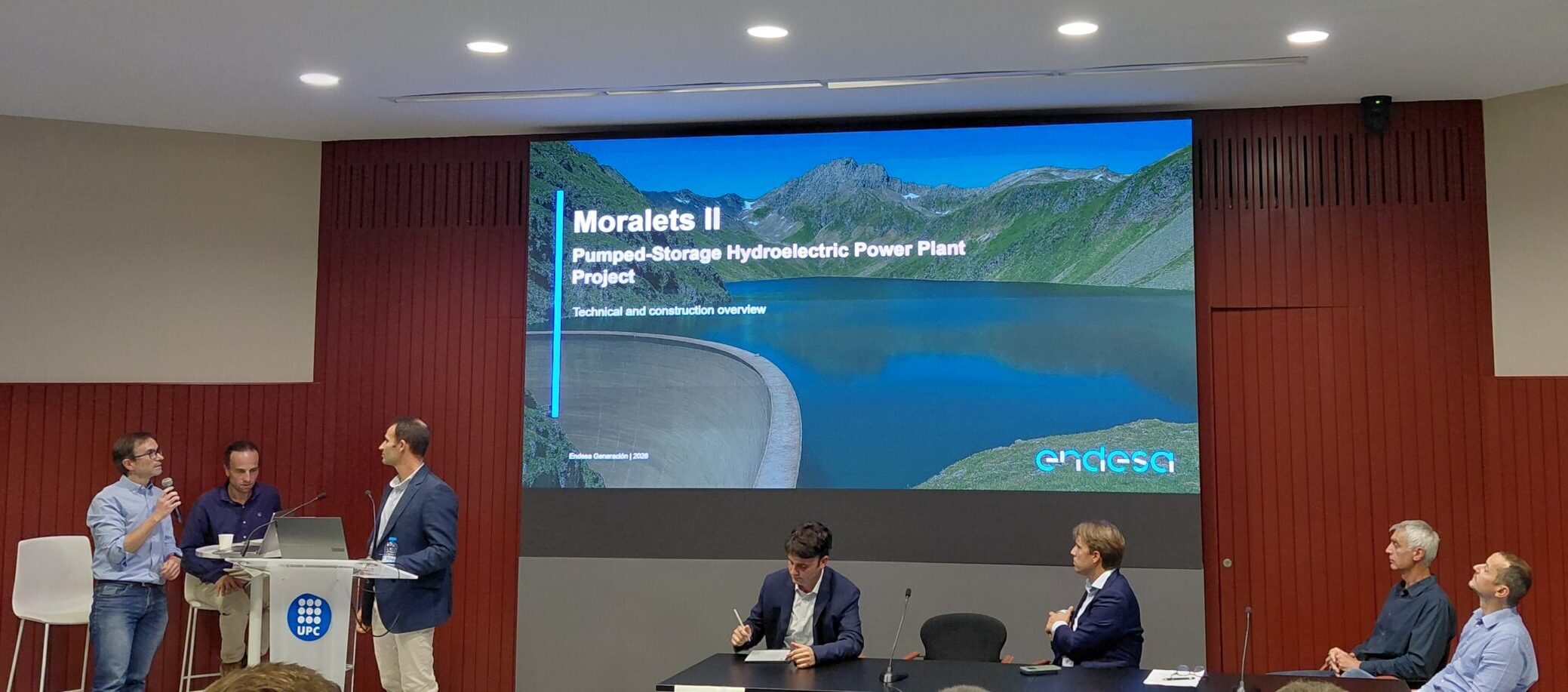
The first day concluded with the open colloquium “Technical, Environmental and Societal Challenges of Hydro Pumped Storage in the 21st Century”, organised by the UPC and Sener. The event brought together project developers, equipment manufacturers, researchers and other stakeholders to discuss the opportunities and challenges associated with developing new pumped storage hydropower capacity in Europe.

Representatives from three pumped storage projects in Spain presented their initiatives and shared their experiences:

  • Manuel Omedas, founder of Proyectos Hidráulicos y Energéticos, introduced the Dehesa de los Ganaderos project in Aragón, which explores the integration of pumped storage with renewable electricity generation and data centre demand.

  • David Escobar, Iberia Business Development Specialist at Enel Green Power, presented Moralets II, a project aimed at expanding pumped storage capacity by building on existing hydropower infrastructure.

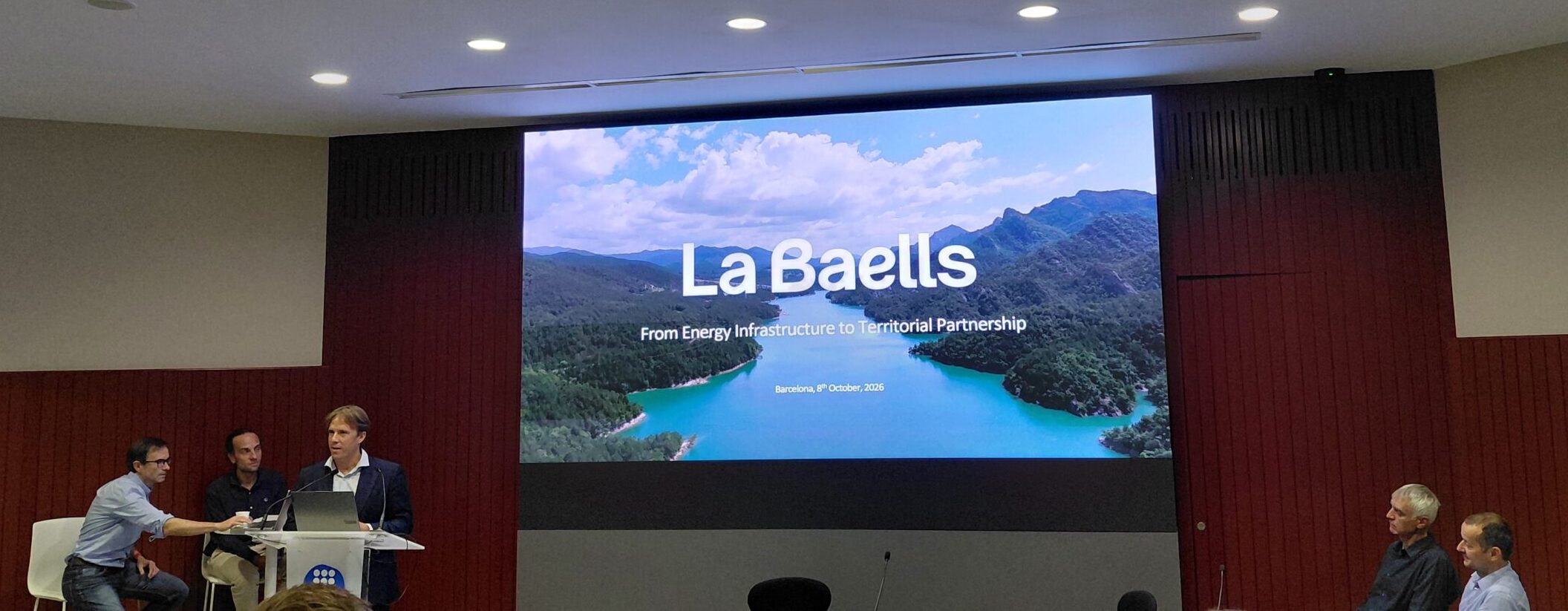
  • Manuel Allo, Project Director at VERBUND, presented the La Baells project in Catalonia, highlighting the challenges associated with developing new pumped storage infrastructure and the importance of stakeholder engagement and local acceptance.

The discussion also included contributions from Martin Gattringer, Head of Pump-Turbine R&D at ANDRITZ, and Patrick Boissonneau, Hydro Project Manager at GE Vernova, who provided the manufacturers’ perspective on the evolving technical requirements of pumped storage plants. The presentations were followed by an open discussion moderated by Alexandre Presas (UPC) and Ricard Subirà (Sener), allowing participants to exchange perspectives and explore the challenges facing the sector.

Key takeaways from the colloquium

Several common themes emerged from the presentations and discussions:

  • Energy security and flexibility: Pumped storage provides long-duration energy storage and essential grid services, supporting renewable energy integration and helping meet emerging electricity demands, including those associated with data centres.
  • Technical and environmental innovation: New plant configurations and the expansion of existing hydropower infrastructure offer opportunities to increase storage capacity while addressing operational and environmental challenges.
  • Social acceptance: Early stakeholder engagement, transparent communication and meaningful community participation are essential considerations for the successful development of pumped storage projects.
  • Local development: Pumped storage investments can generate benefits beyond electricity storage, including employment opportunities, training, industrial regeneration and improvements to local infrastructure.

Sustainability, exploitation and communication and dissemiantion in focus

The second day of the consortium meeting focused on the project’s sustainability, exploitation and communication activities.

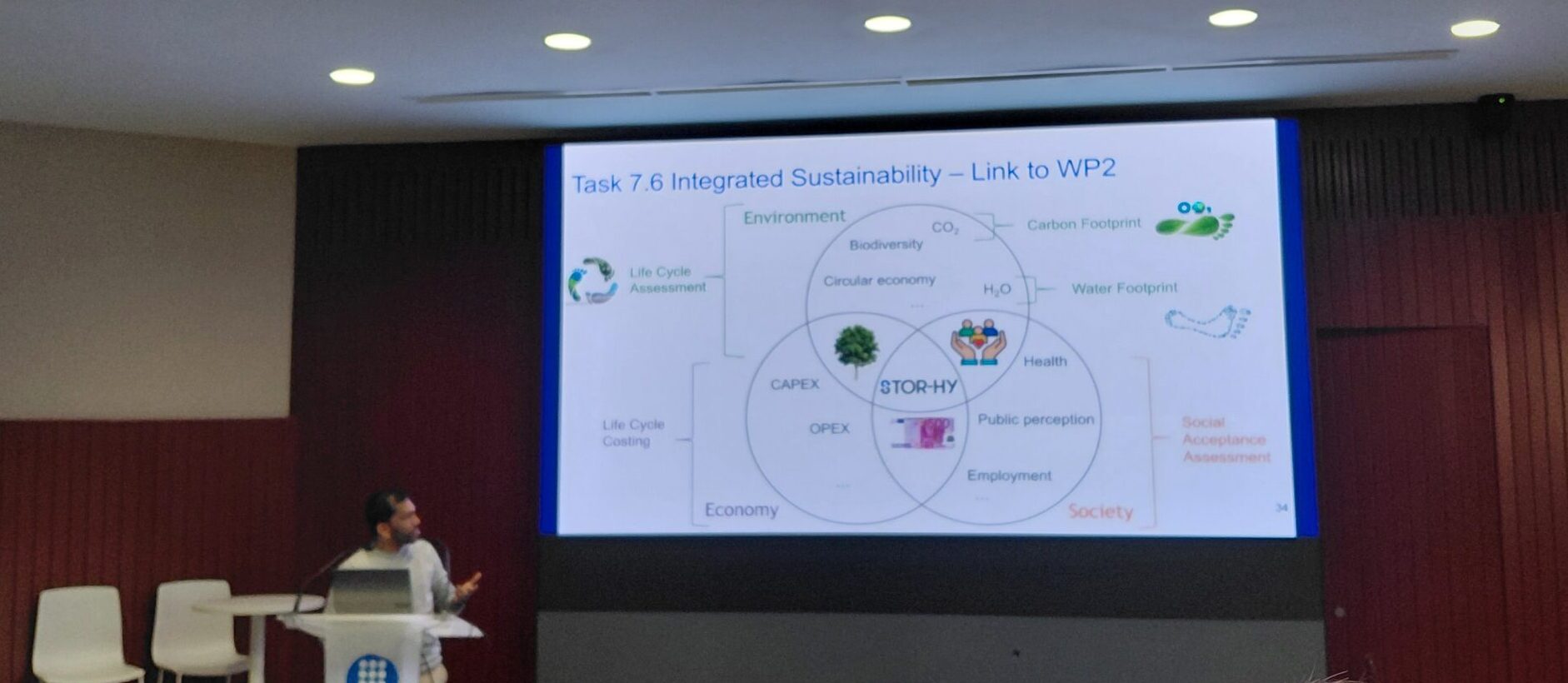
The University of Twente presented progress under WP7, which addresses the integrated sustainability assessment of STOR-HY technologies. This work considers environmental, economic and social dimensions to provide a comprehensive understanding of the impacts associated with innovative pumped storage solutions.

Under WP8, vgbe reviewed progress on the project’s exploitation activities, including the identification and assessment of Key Exploitable Results. These activities aim to support the future uptake of STOR-HY innovations by evaluating their market potential and identifying pathways towards practical implementation.

Finally, Zabala Innovation presented the latest developments in stakeholder engagement, communication and dissemination (WP9), reviewing activities implemented during the first two years of the project and outlining upcoming campaigns and events.

The meeting concluded with a demonstrator follow-up session and the fifth General Assembly, during which partners reviewed upcoming priorities, project coordination matters and the next stages of implementation.

Strengthening collaboration for the future of pumped storage hydropower

The fifth consortium meeting provided an opportunity to strengthen collaboration among STOR-HY partners, assess progress across technical and non-technical activities, and prepare for the next stages. Through continued research and collaboration, STOR-HY is working towards smarter, more flexible, reliable and sustainable pumped storage hydropower systems capable of supporting Europe’s energy transition.

We would like to thank the UPC and Sener for organising the meeting and colloquium, as well as all consortium partners, speakers and participants for their contributions.

Test campaign at Cheylas

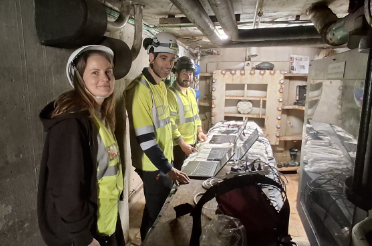
During the week of 31 August to 4 September 2026, tests were carried out on Unit 1 of the Cheylas pumped-storage power plant (EDF, Isère, France). Unit 1 was taken out of service for the entire duration of the testing campaign.

The main objective of STOR-HY at the Cheylas site is to identify the most suitable solutions for a pumped-storage hydropower plant (PSP) to meet electricity market requirements, particularly the transition to 15-minute production scheduling intervals. Within STOR-HY, EDF is also conducting additional activities at the La Rance and Vouglans/Saut Mortier sites.

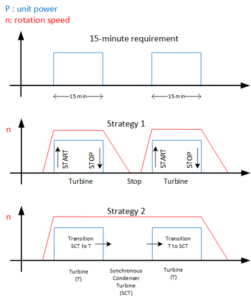
The transition of the electricity spot market from hourly to 15-minute scheduling on 1 October 2025 aims to better manage rapid variations in electricity production and consumption, especially those associated with the growth of renewable energy sources such as solar and wind power. Two strategies can be considered to meet this new requirement: (1) increasing the speed of start-up and shutdown sequences to make them compatible with 15-minute market products, and (2) using synchronous condenser mode to extend 15-minute operating schedules. In this mode, the turbine remains rotating at its nominal speed between two 15-minute schedules, thereby complying with the recommended minimum operating and shutdown durations of 30 minutes.

The objective of the tests performed at Cheylas was to evaluate the mechanical stresses experienced by the machine under different operating modes, in order to compare conventional start-up/shutdown sequences with rapid transitions between power generation mode (Strategy 1) and synchronous condenser operation (Strategy 2).

Flexibility is one of the key value-creating strengths of hydropower. However, this flexibility must be delivered using operating strategies that minimise long-term impacts on the equipment and preserve plant assets.

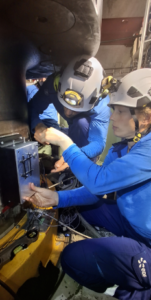
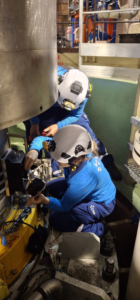
This test campaign involved several entities: EDF Centre d’Ingénierie Hydraulique (CIH) for the preparation and coordination of the tests, as well as plant control-system modifications required to specify, code and validate the new operating modes; EDF Cheylas Power Plant Operating Group for on-site implementation; EDF Division Technique Générale (DTG), particularly for the installation of Dragonfly piezoelectric strain gauges used to measure dynamic deformations; and the Polytechnic University of Catalonia (UPC), coordinator of the STOR-HY project, which notably carried out a modal analysis of the submerged runner using piezoelectric patches acting as vibration actuators. In addition, more than 35 operating parameters and vibration measurements were recorded throughout the campaign.

The coming months will be devoted to analysing the gigabytes of data collected during this intensive test week. These analyses will help identify the most appropriate operating mode to provide the Cheylas pumped-storage power plant with the highest level of flexibility while controlling mechanical stresses and minimising equipment fatigue.


StorHy Logo
Privacy Overview

This website uses cookies so that we can provide you with the best user experience possible. Cookie information is stored in your browser and performs functions such as recognising you when you return to our website and helping our team to understand which sections of the website you find most interesting and useful.