Reviewing project progress
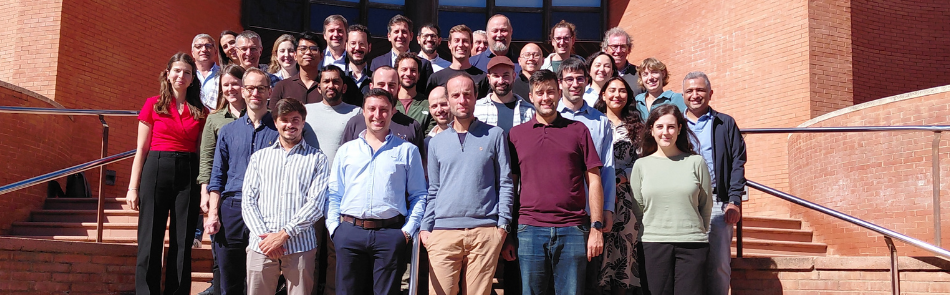
Hosted by the Centre for Industrial Diagnostics and Fluid Dynamics (CDIF-UPC), the meeting began with a welcome address by Professor Dr. Pedro Díez, Vice-Rector for Research of the UPC, followed by an overview of project management activities and contributions from the International Advisory Board.
The first technical session focused on the requirements of future pumped storage plants (WP2), examining the evolving needs of hydropower systems in the context of increasing renewable energy integration and demand for operational flexibility.
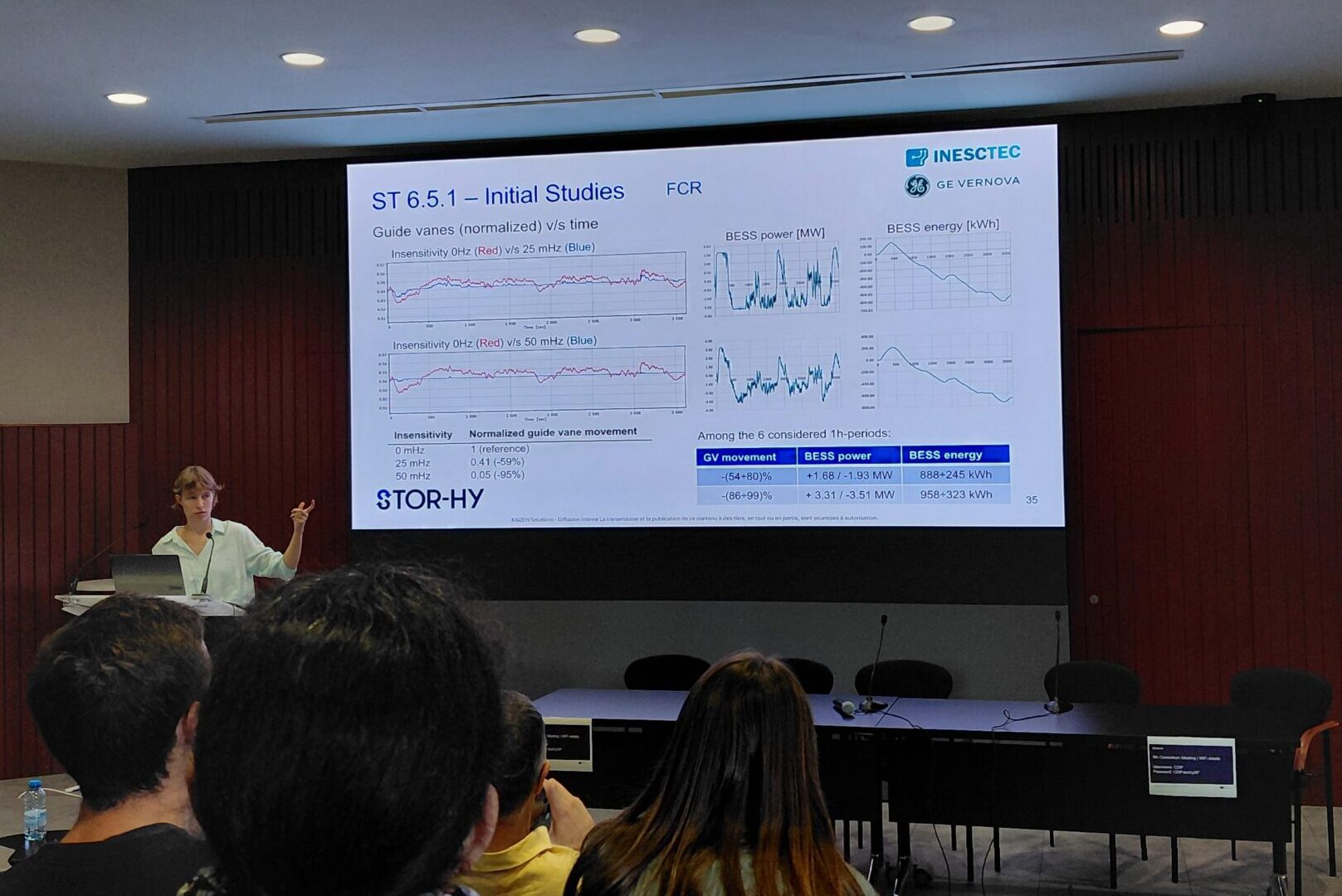
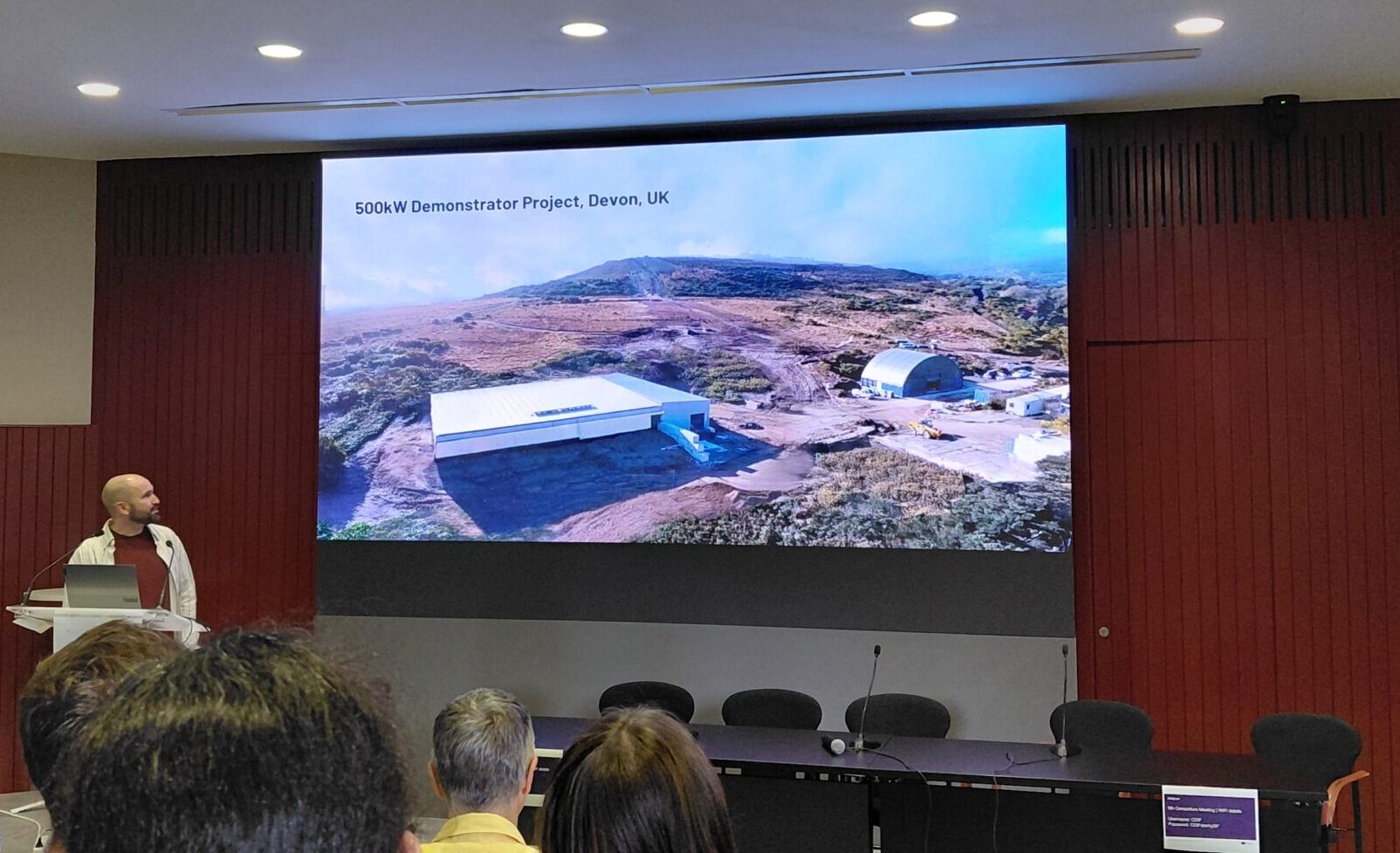
Partners then reviewed progress across STOR-HY’s demonstrators (WP6), discussing ongoing testing activities, technical developments and upcoming milestones. This session also marked the first participation of RheEnergise, the consortium’s newest partner, which introduced its innovative high-density fluid energy storage technology.
The afternoon continued with presentations covering three additional technical work packages:
- Modelling and the Cyber-physical platform for Advanced Decision Support (CADS) (WP3): Progress on modelling approaches and digital tools to support improved monitoring and operational decision-making in pumped storage plants.
- Dispatching and control of pumped storage plants (WP4): Developments in operational and control strategies aimed at increasing plant flexibility and improving their response to changing electricity system requirements.
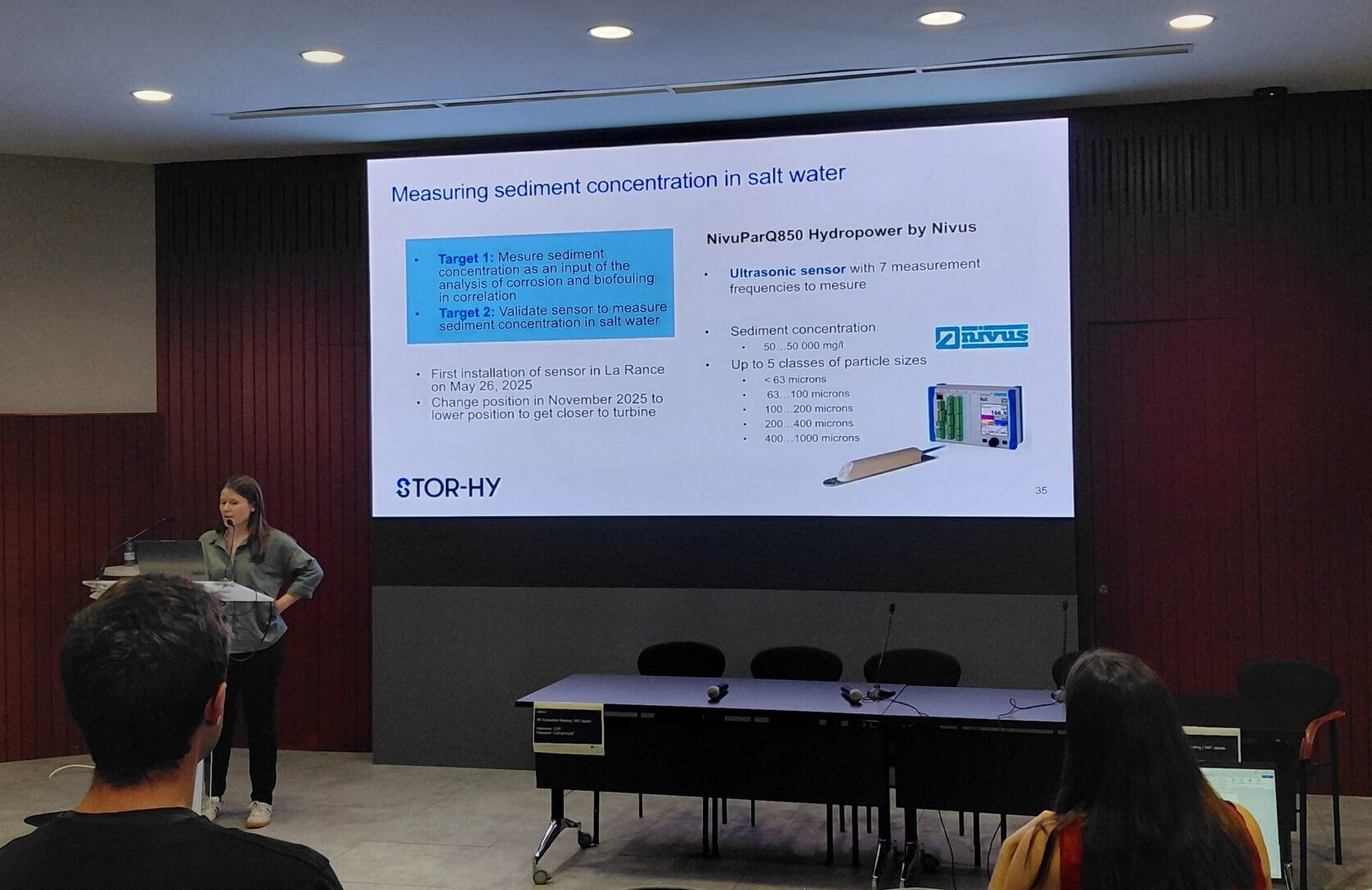
- Saltwater and harsh environments (WP5): Research into technologies and solutions designed to improve the durability and reliability of pumped storage components operating under demanding environmental conditions.
Exploring the challenges of pumped storage hydropower in the 21st century
The first day concluded with the open colloquium “Technical, Environmental and Societal Challenges of Hydro Pumped Storage in the 21st Century”, organised by the UPC and Sener. The event brought together project developers, equipment manufacturers, researchers and other stakeholders to discuss the opportunities and challenges associated with developing new pumped storage hydropower capacity in Europe.
Representatives from three pumped storage projects in Spain presented their initiatives and shared their experiences:
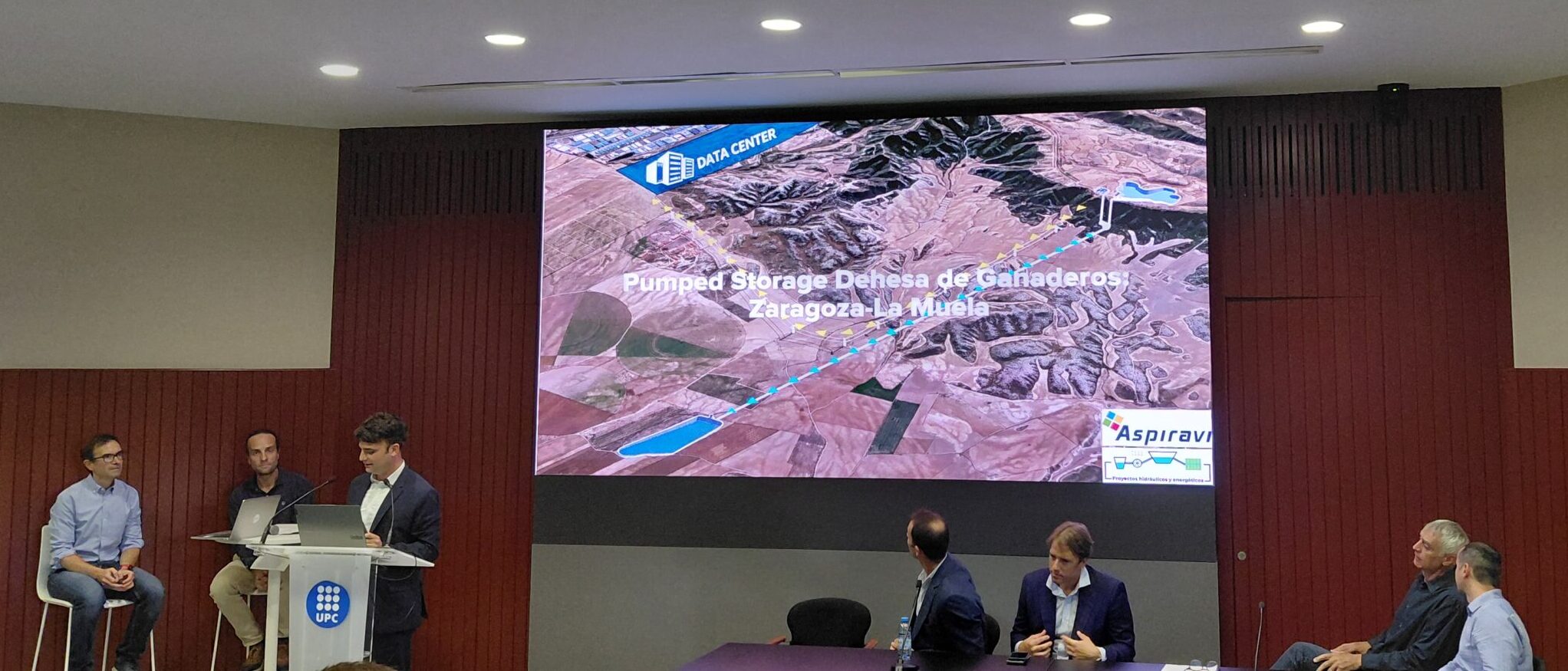
- Manuel Omedas, founder of Proyectos Hidráulicos y Energéticos, introduced the Dehesa de los Ganaderos project in Aragón, which explores the integration of pumped storage with renewable electricity generation and data centre demand.
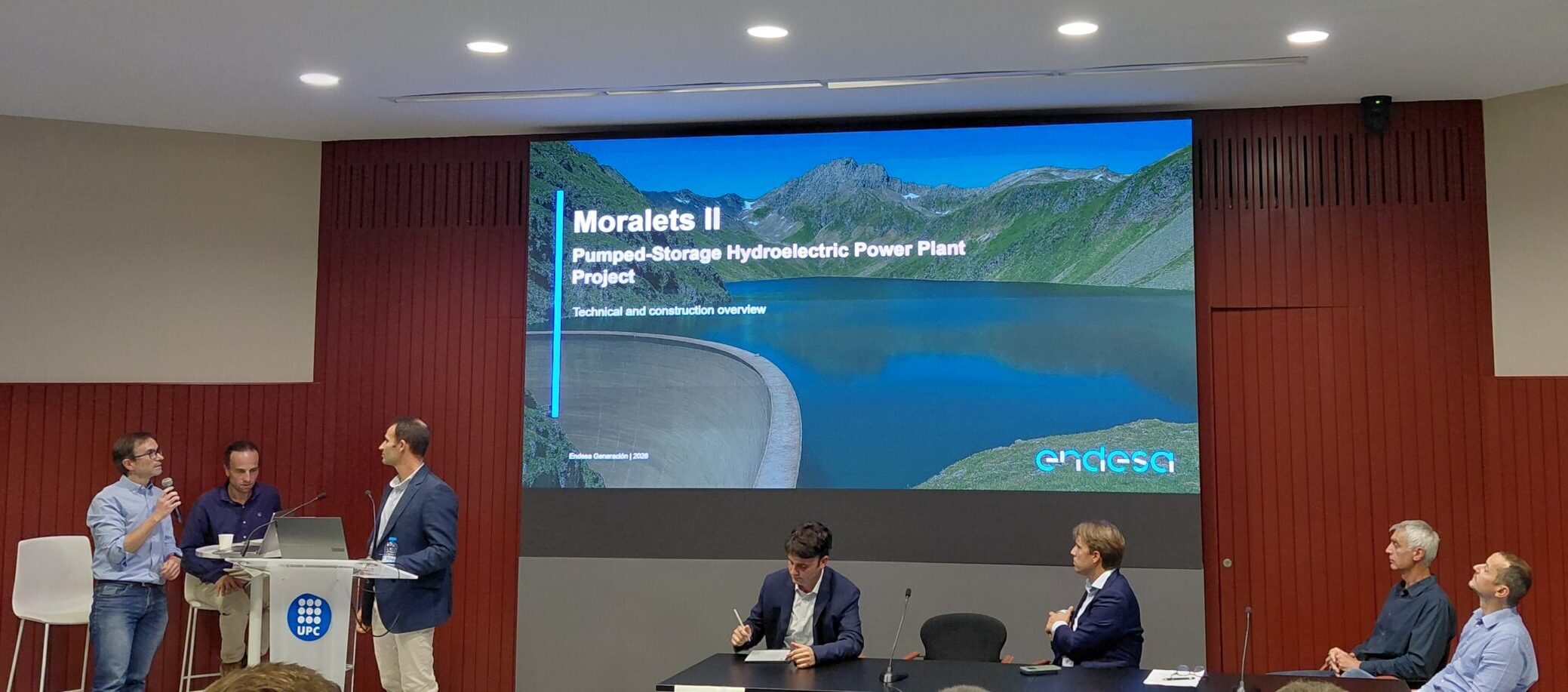
- David Escobar, Iberia Business Development Specialist at Enel Green Power, presented Moralets II, a project aimed at expanding pumped storage capacity by building on existing hydropower infrastructure.
- Manuel Allo, Project Director at VERBUND, presented the La Baells project in Catalonia, highlighting the challenges associated with developing new pumped storage infrastructure and the importance of stakeholder engagement and local acceptance.
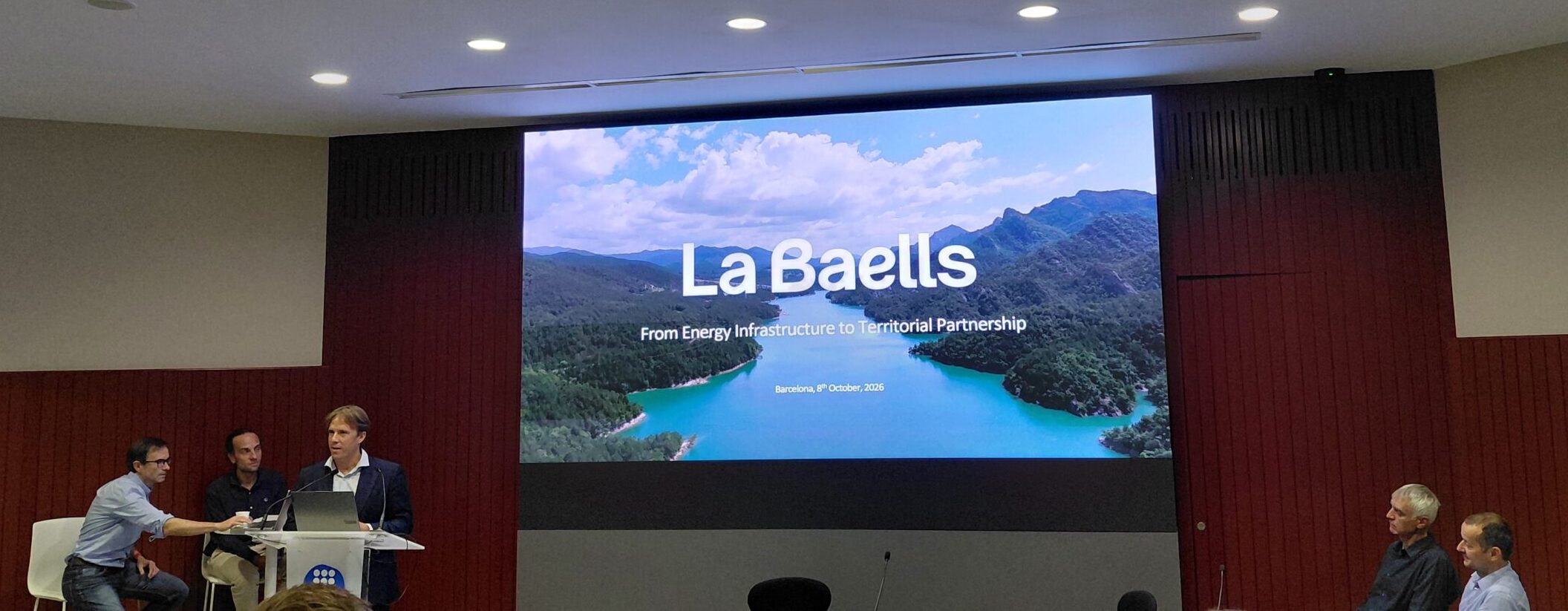
The discussion also included contributions from Martin Gattringer, Head of Pump-Turbine R&D at ANDRITZ, and Patrick Boissonneau, Hydro Project Manager at GE Vernova, who provided the manufacturers’ perspective on the evolving technical requirements of pumped storage plants. The presentations were followed by an open discussion moderated by Alexandre Presas (UPC) and Ricard Subirà (Sener), allowing participants to exchange perspectives and explore the challenges facing the sector.
Key takeaways from the colloquium
Several common themes emerged from the presentations and discussions:
- Energy security and flexibility: Pumped storage provides long-duration energy storage and essential grid services, supporting renewable energy integration and helping meet emerging electricity demands, including those associated with data centres.
- Technical and environmental innovation: New plant configurations and the expansion of existing hydropower infrastructure offer opportunities to increase storage capacity while addressing operational and environmental challenges.
- Social acceptance: Early stakeholder engagement, transparent communication and meaningful community participation are essential considerations for the successful development of pumped storage projects.
- Local development: Pumped storage investments can generate benefits beyond electricity storage, including employment opportunities, training, industrial regeneration and improvements to local infrastructure.
Sustainability, exploitation and communication and dissemiantion in focus
The second day of the consortium meeting focused on the project’s sustainability, exploitation and communication activities.
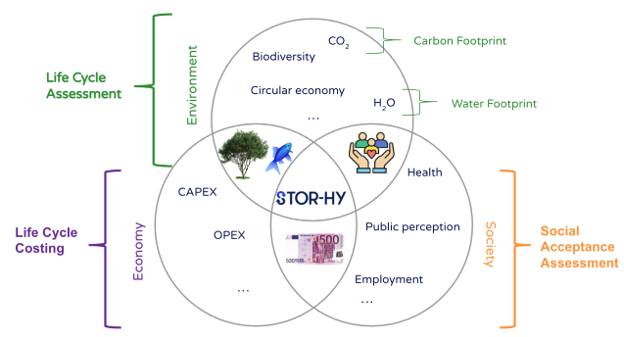
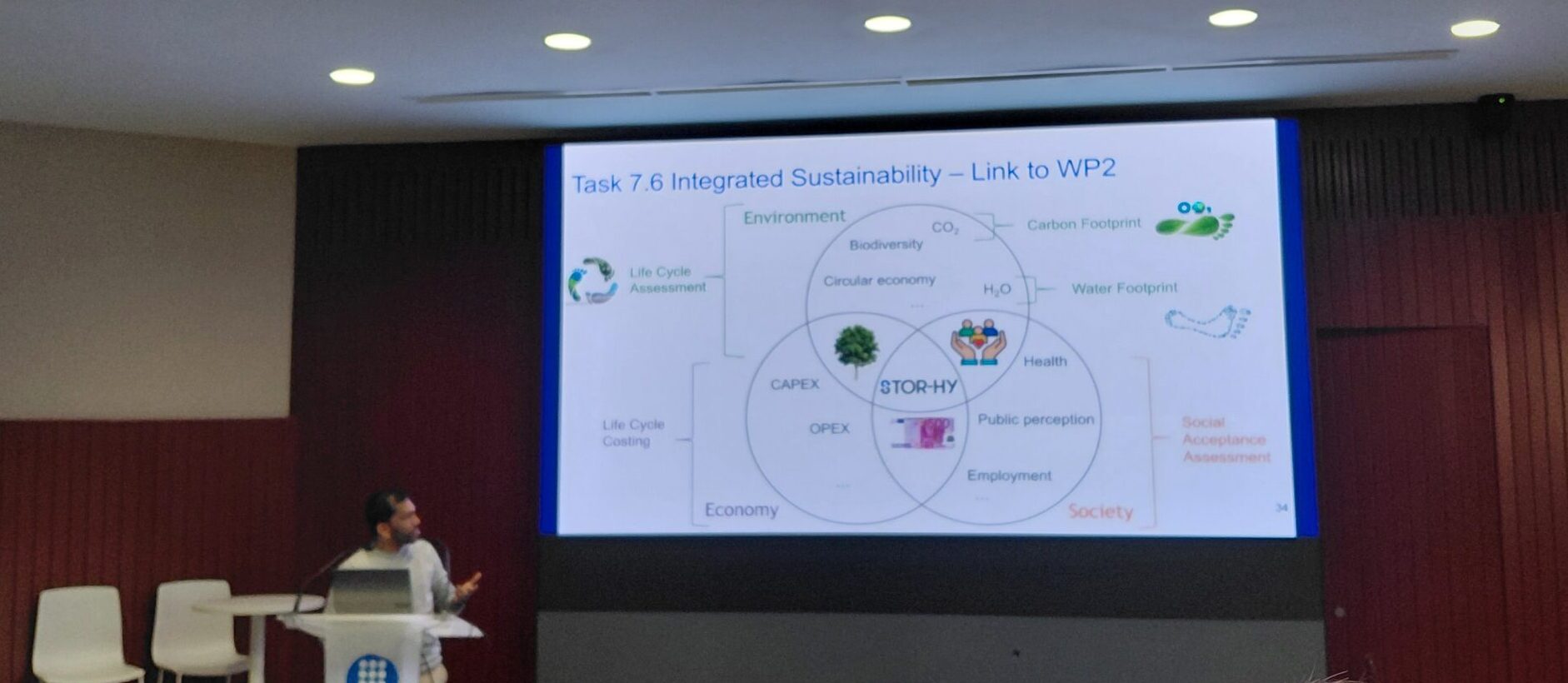
The University of Twente presented progress under WP7, which addresses the integrated sustainability assessment of STOR-HY technologies. This work considers environmental, economic and social dimensions to provide a comprehensive understanding of the impacts associated with innovative pumped storage solutions.
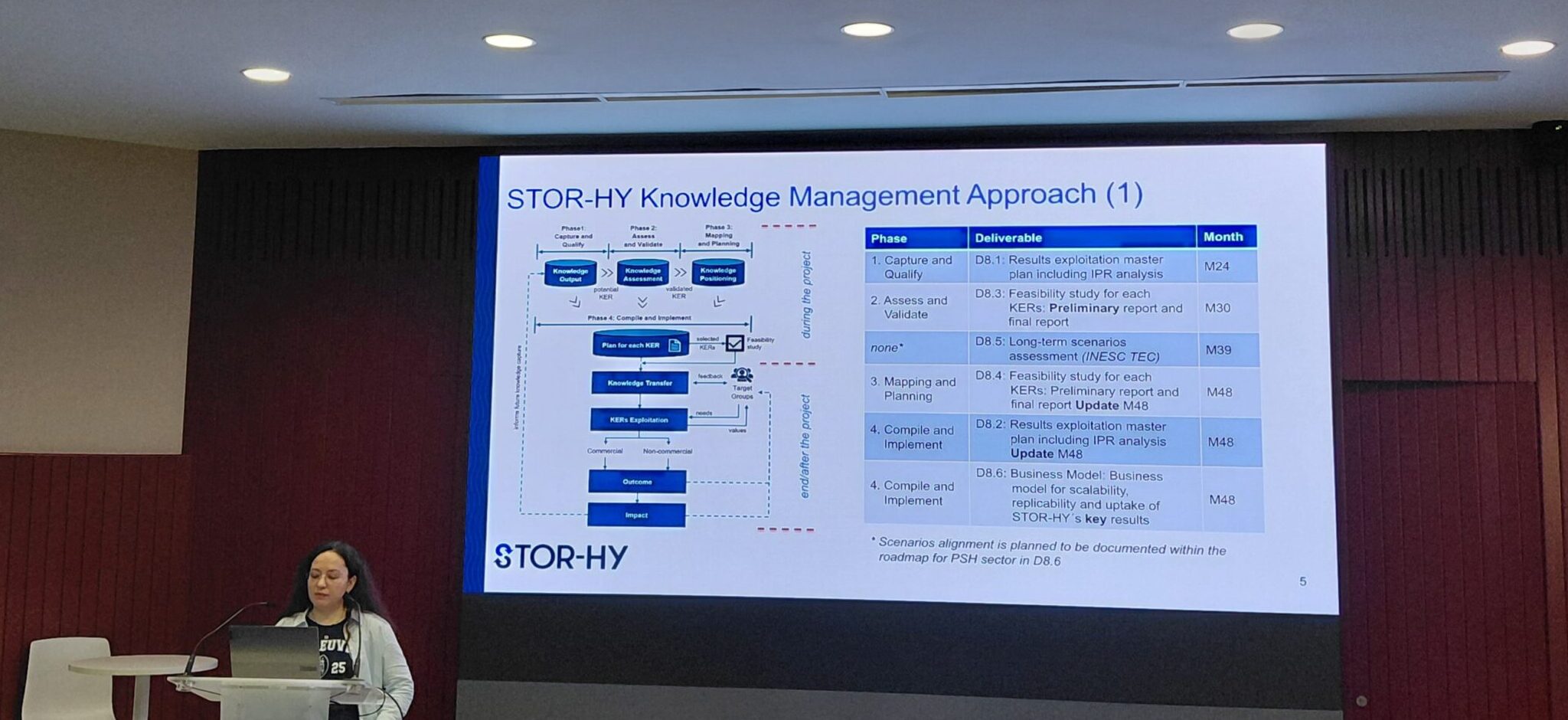
Under WP8, vgbe reviewed progress on the project’s exploitation activities, including the identification and assessment of Key Exploitable Results. These activities aim to support the future uptake of STOR-HY innovations by evaluating their market potential and identifying pathways towards practical implementation.
Finally, Zabala Innovation presented the latest developments in stakeholder engagement, communication and dissemination (WP9), reviewing activities implemented during the first two years of the project and outlining upcoming campaigns and events.
The meeting concluded with a demonstrator follow-up session and the fifth General Assembly, during which partners reviewed upcoming priorities, project coordination matters and the next stages of implementation.
Strengthening collaboration for the future of pumped storage hydropower
The fifth consortium meeting provided an opportunity to strengthen collaboration among STOR-HY partners, assess progress across technical and non-technical activities, and prepare for the next stages. Through continued research and collaboration, STOR-HY is working towards smarter, more flexible, reliable and sustainable pumped storage hydropower systems capable of supporting Europe’s energy transition.
We would like to thank the UPC and Sener for organising the meeting and colloquium, as well as all consortium partners, speakers and participants for their contributions.